
Car detailing can seem like a mystery in Winston Salem, with so many myths floating around. In this blog, we’ll demystify car detailing by debunking some of the most common misconceptions. Let’s set the record straight and help you take better care of your vehicle.
1. All Detailing Products Are the Same
It’s a common misconception that all car detailing products are created equal. In reality, they vary significantly in terms of quality, ingredients, and effectiveness. Choosing the right products tailored for your vehicle’s needs can make all the difference. Each product is formulated for specific conditions and materials, so using the wrong one can cause more harm than good. For instance, synthetic waxes are designed to last longer in harsh conditions, while natural waxes are meant for their glossy finish and are more suitable for milder climates. Selecting high-quality products that address your car’s specific needs will not only enhance its appearance but also protect its value.
Furthermore, the market is flooded with countless options, making it challenging to identify the best products without proper guidance. Investing in reputable brands known for their research and innovation will ensure your car is treated with the utmost care. Seeking advice from professional detailers or consulting reliable resources can steer you in the right direction when choosing these crucial car care products. Remember, not every product label tells the full story, so always look deeper into what you’re using on your car.
2. Dish Soap Is Safe for Car Washes
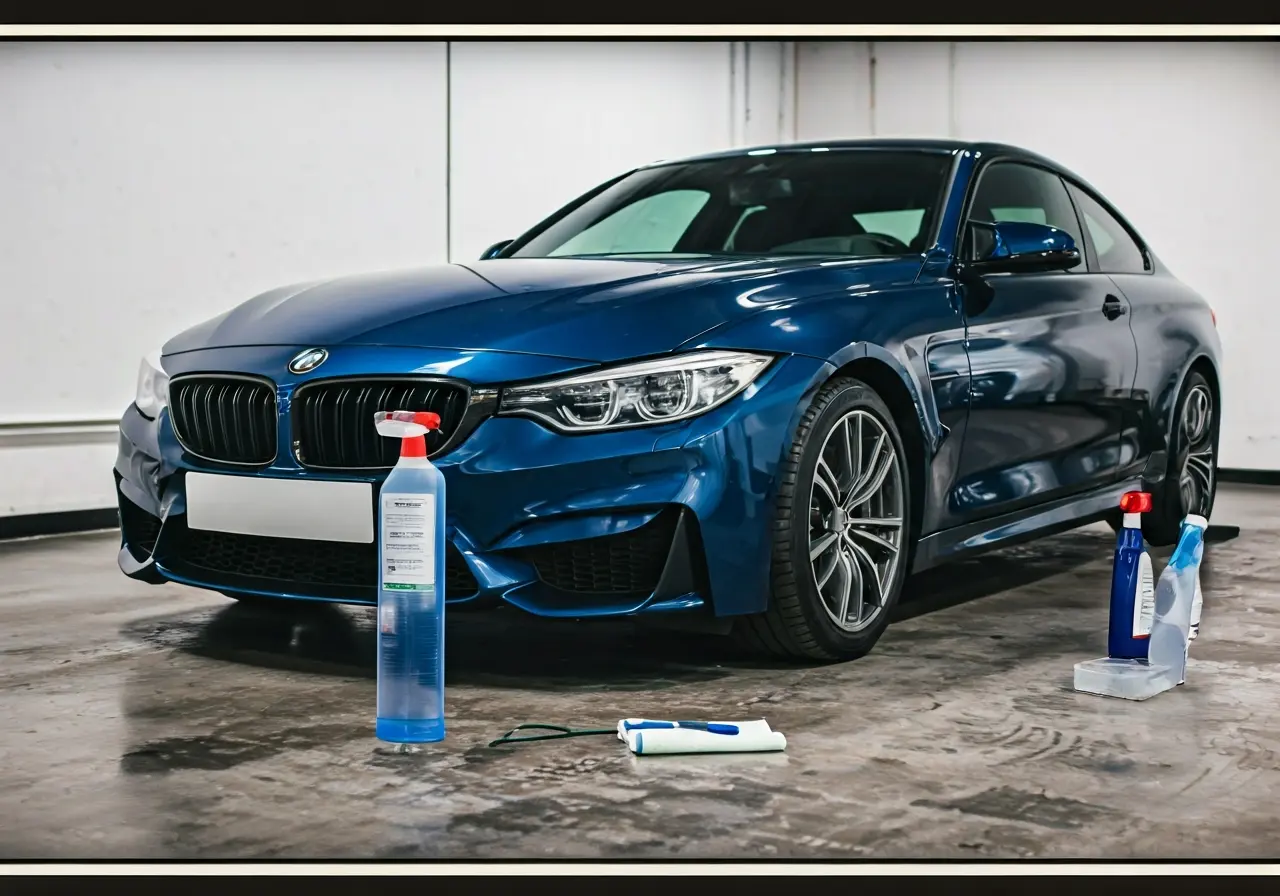
While dish soap might seem like an inexpensive and convenient option, it’s not designed for car exteriors. It can strip away protective waxes and deteriorate your car’s finish over time. Specialized car wash soaps are a much safer bet. They’re formulated to be gentle on car surfaces while effectively cleaning off grime and dirt. Using dish soap consistently can lead to dull paint and possibly damage your car’s clear coat, opening it up to further environmental harm.
Many people are under the impression that a soap is just a soap, yet the composition of dish soap includes degreasers and other compounds aimed at removing food residues and oils, which can be overly harsh for automotive finishes. Professional-grade car wash soaps often contain polymers that enhance shine and protect the paint, unlike household dish soaps that do not benefit vehicles in such a comprehensive manner. Adopting the right washing practices and products can lead to a perpetually clean and well-protected exterior.
3. Waxing and Polishing Are the Same Thing
Waxing and polishing serve different purposes. Polishing removes imperfections and enhances shine, while waxing provides a protective layer. Knowing the difference helps in maintaining your car’s appearance and protection. Polishing often involves the use of abrasives to smooth out smaller imperfections like scratches or oxidation. In contrast, waxing is applied as a top coat to safeguard this polished surface against UV rays, bird droppings, rain, and other pollutants.
To maximize the benefits of both processes, it’s ideal to first polish and then wax your vehicle. This two-step routine can breathe new life into dull paint and offer an added layer of defense. While some might consider this overkill for routine maintenance, combined polishing and waxing are suggested for high-touch situations like preparing a car for sale or a special event. Understanding these distinct roles is crucial for car owners looking to achieve and maintain a luster that stands up to the elements.
4. You Only Need Detailing for Special Occasions
Regular detailing isn’t just for special events; it’s crucial for maintaining your car’s health. Routine care prevents damage and preserves value, making it a wise investment in the long run. Beyond aesthetics, regular detailing can significantly impact your car’s resale value. A well-maintained vehicle is more likely to fetch a higher price in the used car market.
Moreover, detailing is about more than shine alone. It’s also about extending the life of your vehicle by maintaining its condition both inside and out. Detailed inspections often uncover minor issues that can be addressed before they escalate into costly repairs. Are you looking to keep your car running smoothly and looking brilliant? Then regular detailing should be on your maintenance schedule to ensure you get the best results for the longest duration, offering benefits that far surpass any momentary gleam.
5. A New Car Doesn’t Need Detailing
Even new cars benefit immensely from detailing. Protective coatings can be added to guard against environmental damage and maintain that brand-new appeal. Often, cars right out of the dealership aren’t equipped with the protective layers needed for optimal preservation in varied climates and conditions.
The misconception that a new car requires no additional care ignores the benefits of sealing surfaces from the very beginning. Protective measures, such as ceramic coatings, enhance gloss while protecting against pollutants and the sun’s harmful rays. Additionally, considering how quickly environmental damage can occur, applying these preventive treatments early can significantly reduce long-term wear and tear. Ensuring your new investment is shielded immediately will help maintain its aesthetic and structural integrity.
6. Detailing Is Unnecessary for the Interior
Interior detailing is just as important as exterior care. It keeps your car’s inside clean and comfortable while also extending the lifespan of your upholstery and finishes. Contaminants like dirt, dust, and bacteria can accumulate over time, leading to odors and potential health risks.
Additionally, dirt and grime on surfaces such as dashboards and seats can cause wear, leading to unnecessary wear and tear. Regular cleaning and conditioning of the interior surfaces can help maintain their appearance and ensure that they stand up well to everyday use in Winston Salem’s varying climates. Steering wheels, for example, can benefit from regular cleaning to prevent the finish from becoming sticky or worn. Adopting a comprehensive detailing regimen truly enhances your driving experience by keeping the car’s interior as pleasant and functional as it should be.
7. DIY Detailing Is Always Cheaper
DIY detailing may appear cheaper, but without the proper tools and knowledge, it is easy to make costly mistakes. Professional detailing ensures thorough care and can actually save you money by avoiding potential damages. The expertise involved in professional detailing often includes advanced techniques that a typical DIY approach misses.
Attempting to perform complex detailing jobs without understanding the nuances involved—such as selecting the appropriate buffing pad or knowing how to apply sealants—can result in swirled paint finishes and unexpected scratches. It’s also worth noting that specialists typically have access to premium products and tools that aren’t readily available to the average consumer. Investing in professional care can prove more cost-effective in the long term by maximally protecting your vehicle against potential wear-and-tear.
8. Water Spots Will Disappear on Their Own
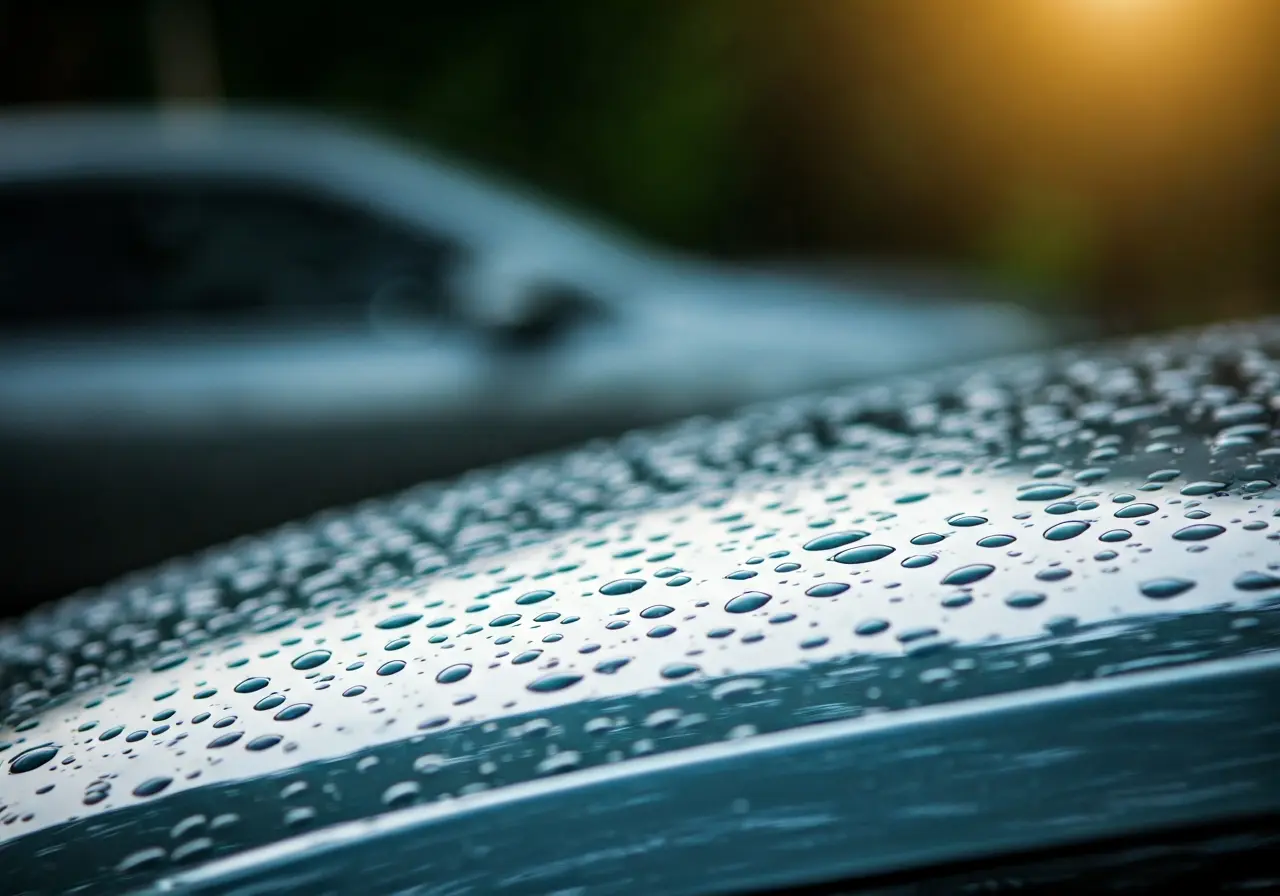
Ignoring water spots can lead to permanent stains if left untreated. Proper cleaning and preventative measures are essential to avoid etching and maintain your car’s pristine look. Water spots are often calcium deposits that can eat into paint if not removed promptly.
Persistent water spots can cause etching that mars your car’s perfect finish. A well-maintained regimen using specific water spot removers, in conjunction with routine waxes, can prevent lasting damage. In regions with high mineral content in water, regular detailing becomes even more critical. Using water softeners or rinsing with demineralized water can also aid in minimizing this risk. Taking steps to ensure such spots don’t settle into permanent features will keep your vehicle looking newer and more vibrant for longer.