


Car paint correction is an art that can restore your vehicle’s shine and erase blemishes. However, it’s not always a straightforward process. Many enthusiasts and professionals alike have fallen into common pitfalls. In this guide, we’ll explore frequent mistakes in car paint correction and provide tips on how to steer clear of them.
1. Skipping the Essential Car Wash
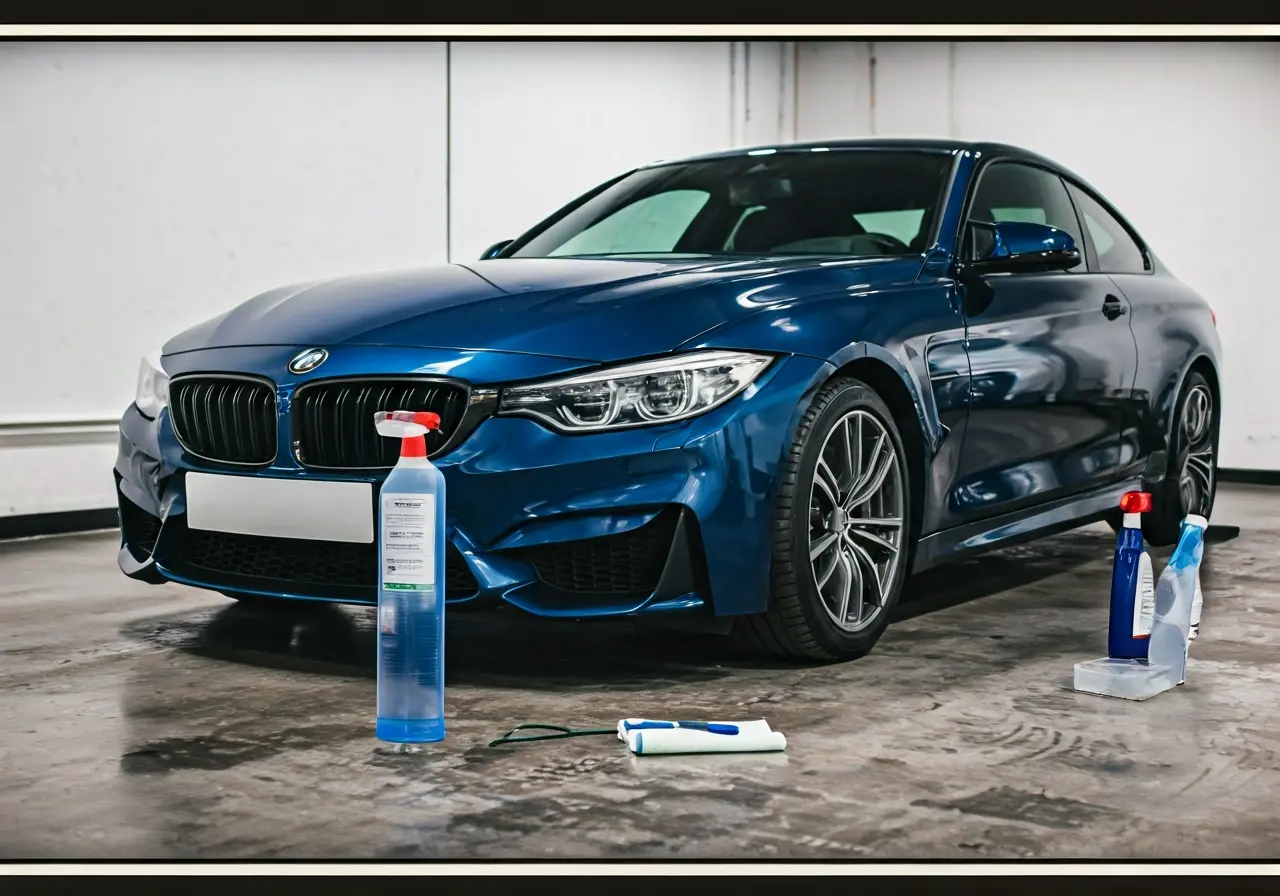
A thorough wash is crucial before starting any paint correction work. Skipping this step can lead to scratches and imperfections as you rub contaminants deeper into the paint. The initial wash removes dirt, dust, and other debris that could cause significant issues during the polishing phase. Imagine trying to paint a masterpiece on a dirty canvas—it just doesn’t work. Using a good quality car shampoo and a microfiber mitt, be sure to clean all areas, including those pesky lower panels that often collect the most grime. This meticulous attention to washing not only preps the paint but also allows you to inspect for any pre-existing damage or defects. Remember, a clean surface is the first step towards a flawless paint correction.
Additionally, never underestimate the value of decontamination following a good wash. A clay bar should be used to pick up any remaining contaminants like tar, tree sap, and industrial fallout that washing alone doesn’t remove. This extra step ensures that the paint surface is as smooth as glass—perfect for the correction process. By taking the time to wash and clay your car correctly, you’re saving yourself the headache of dealing with embedded debris during correction, which can lead to even deeper issues if not handled properly.
2. Using the Wrong Type of Polishing Pad
Different finishes require different pads. Using the wrong type can result in uneven polishing or even damage to the paint. It’s important to choose the right pad for the job. Soft paints may require a gentler pad, while harder finishes might need a more aggressive one. It’s all about understanding the specific needs of your vehicle’s paint. When it comes to pads, you also need to consider the combination of pad, polish, and machine. This combination dictates the level of cut and finish you’ll achieve.
3. Neglecting to Test in a Small Area
Diving right into an entire panel without testing in a small, inconspicuous area first can lead to unwanted results. Always test your products and techniques to ensure they deliver the desired outcome. Testing allows you to adjust your approach, ensuring that the correction process goes smoothly without causing additional issues. Furthermore, products can react differently on various paint types, so a test spot before full application is always a wise choice.
4. Over-Polishing an Area
It’s easy to get carried away trying to achieve perfection, but over-polishing can thin the paint and cause permanent damage. Recognizing when enough is enough is key. Keep in mind that some blemishes might be too deep to correct without compromising the integrity of the paint. It’s always better to leave some imperfection than to risk burning through a panel.
Balancing enthusiasm with caution is crucial in paint correction. Overworking an area can also lead to heat generation, further increasing the risk of damage. To avoid this, utilize proper technique and don’t apply excessive pressure. If uncertain, it’s beneficial to contact professionals like us to handle the job with expertise and care. We offer affordable pricing options to ensure quality service without breaking the bank.
5. Ignoring UV Protection
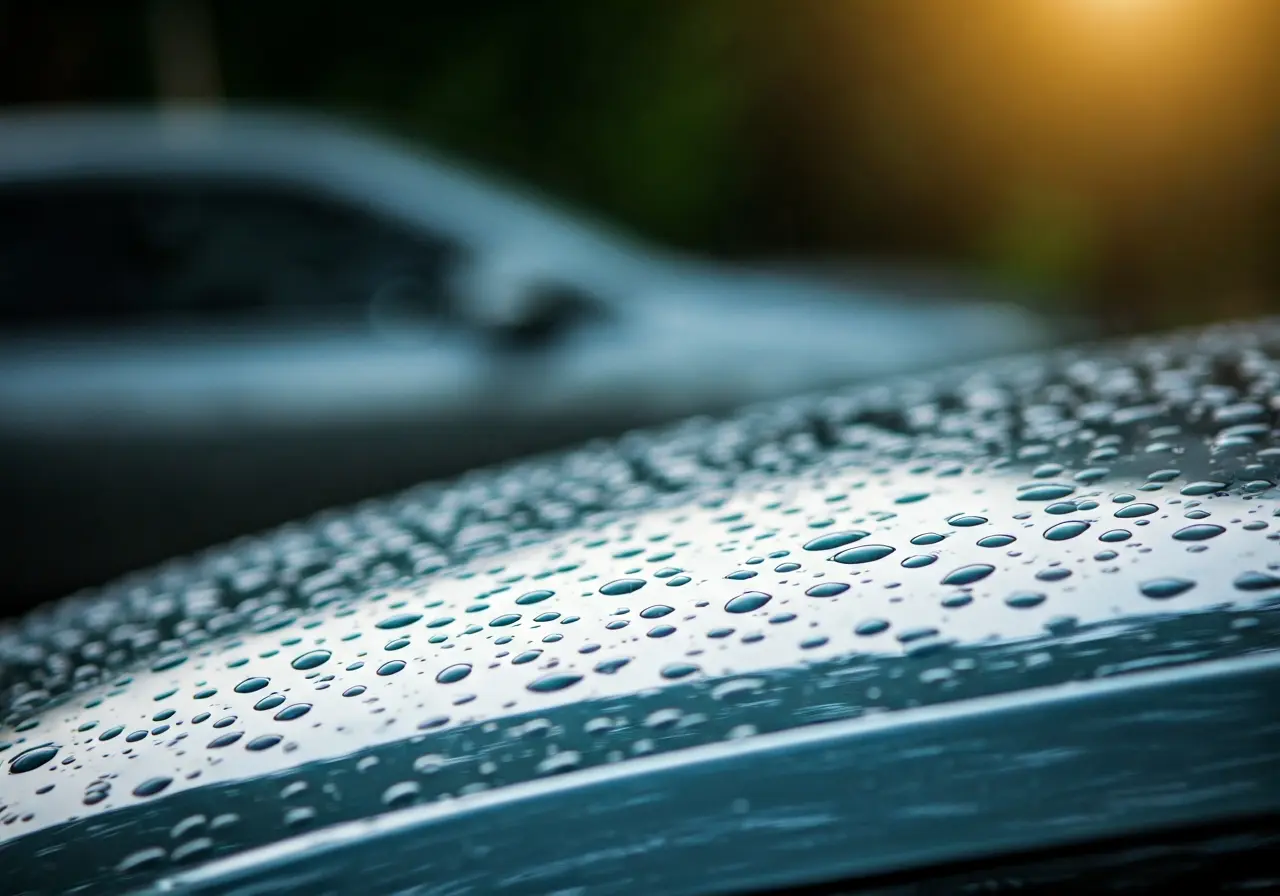
Once the paint correction is complete, neglecting to apply UV protection can cause the paint to fade quickly. A good sealant or wax ensures long-lasting protection and shine. Applying a high-quality wax or ceramic coating creates a barrier against the elements, preserving your hard work and prolonging the lifespan of your car’s finish. It’s akin to using sunscreen—consistent application results in sustained protection.
Regular maintenance is equally important. Consider setting up reminders to reapply protection as needed, just how you wouldn’t forget your car’s oil change. By investing in proper care tools and products, you ensure that your vehicle not only looks brilliant but is protected against environmental aggressors. For guidance on how to apply UV protectants, feel free to consult with our detailed care guides.
6. Incorrect Speed Settings on Polisher
High-speed settings may seem faster, but they can burn through the clear coat. It’s important to adjust the speed appropriately for the task at hand to avoid damaging the paint. Different phases of correction require different speeds—starting slow to spread the polish and gradually increasing speed can optimize results without risking damage. Speed settings should also be adjusted depending on the compound or polish being used.
7. Not Cleaning the Pads Regularly
Dirty pads can lead to ineffective polishing and can transfer impurities onto the paint, causing further defects. Regularly cleaning your pads is essential for optimal performance. Consider adopting a routine—after every panel, rinse the pad in clean, lukewarm water to dislodge polish remnants and debris. For a more thorough clean, using a pad cleaning solution can make a world of difference, ensuring that your pads are ready for each new section of the car.
Keeping a set of backup pads is also advisable, as switching to a fresh pad midway can enhance the uniformity of the correction. By paying attention to pad cleanliness, you ensure that each stroke is productive, yielding a smoother and clearer finish every time.
8. Overlooking Safety Precautions
Safety should always be a priority. Protecting yourself with proper gear and ensuring a safe working environment will prevent injuries and enable you to focus on achieving the best results. Basic gear includes safety goggles, gloves, and a dust mask, which can protect against dust and chemical exposure that could occur during polishing. In addition, ensuring adequate ventilation in the workspace is essential, as some polishes emit fumes that could lead to dizziness or respiratory issues if inhaled in excess.