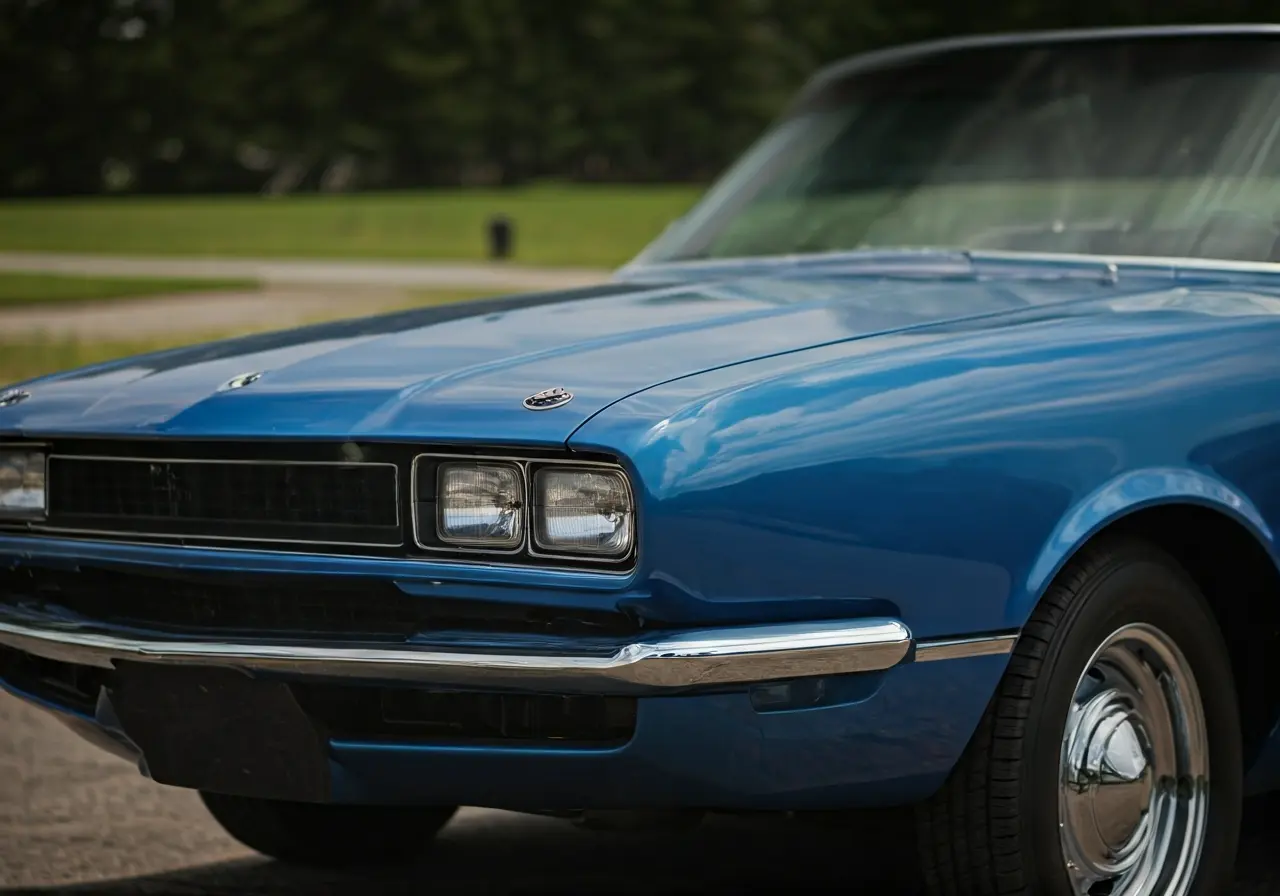


Ceramic coating is a popular choice for car enthusiasts looking to protect their vehicle’s paint and maintain its gleam. However, the process can be tricky, and mistakes can be costly. Whether you’re new to ceramic coating or just brushing up, here are some common pitfalls to steer clear of.
1. Overlooking Proper Surface Preparation
Proper surface preparation goes beyond just washing your car. It’s about meticulously removing all dirt, grease, and previous waxes or sealants. This ensures that the ceramic coating adheres perfectly to the car’s paint. Use a clay bar to remove embedded contaminants that a standard wash won’t eliminate. It’s a step that often gets skipped but is crucial for achieving that coveted smooth, glossy finish.
To further enhance the adhesion, consider performing a paint correction if your vehicle has light scratches or swirl marks. Paint correction helps in leveling the surface, making it ideal for the ceramic coating application. Remember that applying a coating over imperfections will lock those issues in until the coating wears off, which can be years down the line.
2. Choosing the Wrong Product
Understanding the different types of ceramic coating products available on the market is essential. Consumer-grade coatings are great for DIY enthusiasts, offering a balance between ease of use and longevity. Professional-grade coatings, on the other hand, usually require specialized training for application but provide superior protection. Consider researching ceramic coating salisbury options to find the perfect fit for your vehicle’s needs.
Selecting the right ceramic coating also involves considering factors like the local climate and your driving conditions. Some coatings might excel in UV protection, which could be beneficial if your vehicle spends a lot of time outdoors. Others may be specifically designed to resist spots and stains from pollution or salt. Tailoring your choice to your specific circumstances ensures you get the most out of your ceramic coating investment.
3. Ignoring Weather Conditions
Weather is a critical factor when applying a ceramic coating. Ideal application occurs in a controlled environment, away from excessive humidity and temperature extremes. Applying the coating in an unsuitable environment can result in a range of problems, from improper bonding to streaking or hazing. If you lack the facilities, consider having a professional service where conditions can be controlled.
In areas like Salisbury, where weather can be unpredictable, it’s important to plan your coating application carefully. Utilize a garage or covered area to protect against sudden rain or temperature drops. This precaution helps in ensuring that the coating cures evenly and adheres properly to the vehicle’s surface.
4. Applying Too Much Coating
Many people assume that applying more product will enhance protection, but this is a common misconception. Excess coating leads to difficulties in removal and can create unsightly high spots. These high spots may appear as stubborn smudges or uneven glossiness and are difficult to correct without redoing the entire section. Balance is key: apply a thin, even layer to achieve the desired effect without waste or problems.
5. Neglecting to Follow Manufacturer Instructions
Ceramic coatings come with specific guidelines depending on their chemical composition. It’s easy for someone eager to protect their car to skip over detailed instructions, but doing so often leads to compromised results. From application techniques to curing times, every step listed by the manufacturer has a purpose. Deviating can not only affect performance but may void any warranty the product holds.
Some manufacturers suggest specific accompanying products, such as detailing sprays or maintenance solutions, to improve performance and lifespan. By adhering to these instructions, you ensure that the coating doesn’t just look good on the first application but retains its protective characteristics for as long as possible.
6. Rushing the Curing Process
Once a ceramic coating is applied, it requires time to cure, which allows the chemical bonds to form properly. This process can range from a few hours to several days, depending on the product used. Rushing it by exposing the surface to water or contaminants too soon can compromise the integrity of the coating. It’s advisable to plan ahead, perhaps timing the application before a period when the vehicle will not be in use.
During the curing stage, even the smallest interruption can lead to issues like water spotting or streaking. Monitoring the curing environment is key. Ensuring the vehicle is parked in a dust-free and stable-temperature area can prevent imperfections, guaranteeing a sleek and resilient finish.
7. Ignoring Maintenance Recommendations
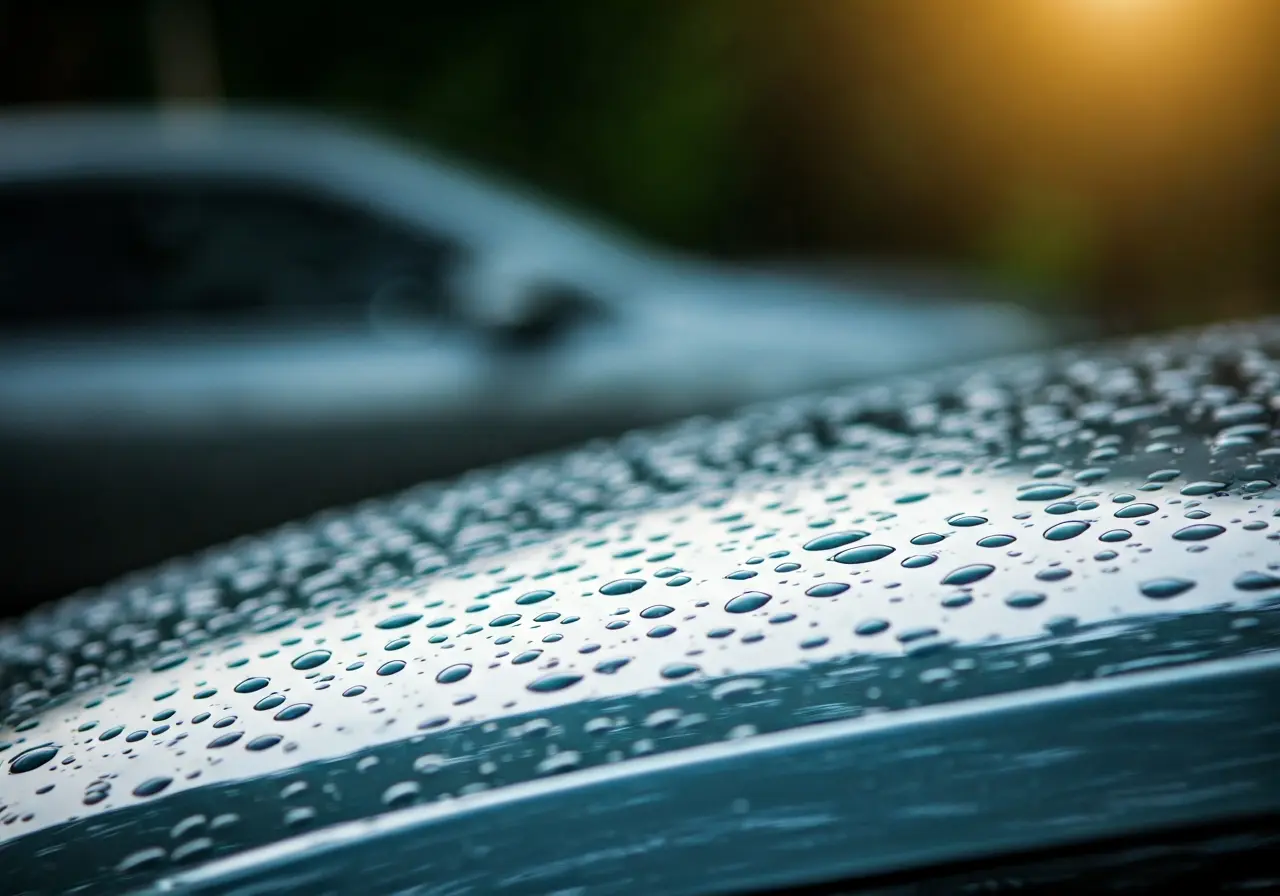
A ceramic coating isn’t a magic solution; regular maintenance is essential to preserve its properties. Invest in pH-neutral shampoos for washing, avoiding harsh chemicals that can degrade the coating. Follow up with recommended maintenance sprays that rejuvenate the coating’s hydrophobic properties, keeping that water-beading effect alive.
Routine maintenance should include visual inspections for signs of deterioration. This can highlight areas that may require touch-ups or additional treatment. Consistent care not only prolongs the life of the ceramic coating but also maintains the vehicle’s stunning appearance, ensuring the protective benefits are not just for show.
8. Not Seeking Professional Help When Needed
While DIY enthusiasts can successfully apply ceramic coatings, some scenarios necessitate professional expertise. Complex vehicles with intricate designs or owners seeking premium-grade applications might find that a professional detailer provides the precision and experience required. Salisbury residents can easily find professionals equipped with high-quality products and controlled environments for application, ensuring optimal results.
Professionals often offer warranties or guarantees on their work, offering peace of mind that might not be available with a DIY project. This assurance, combined with their skill and experience, can make a significant difference in both the coating’s appearance and longevity. It can also mean access to products not available in the consumer market, taking your ceramic coating’s performance to the next level.
9. Skipping a Test Patch
Conducting a test patch might feel like an extra step, but it’s essential before committing to a full application. Testing on a discreet area allows you to observe how the paint reacts, ensuring no adverse effects occur. It also provides insight into the application process, allowing you to refine your technique and check the coating’s compatibility with your vehicle’s finish.
A test patch is also a chance to adjust your methods, like application speed or the amount used, based on the initial results. Addressing problems on a small scale first prevents larger mishaps and saves time and product. This preliminary step can make the difference between a flawless finish and a frustrating redo.
10. Underestimating the Time Commitment
Ceramic coating your vehicle is not an afternoon task; it requires thorough preparation and patient execution. Underestimating the time needed leads to rushed applications and mistakes. From surface prep to application, and finally, the curing process, each step requires adequate time to achieve the best results. Planning effectively allows you to manage expectations and avoid stress.
Breaking the project into stages, if possible, can help better manage your time. Allocate specific periods for washing and decontaminating, applying the coating, and allowing for curing. This approach ensures thoroughness and efficiency, making sure the end result is worth the commitment in time and effort.