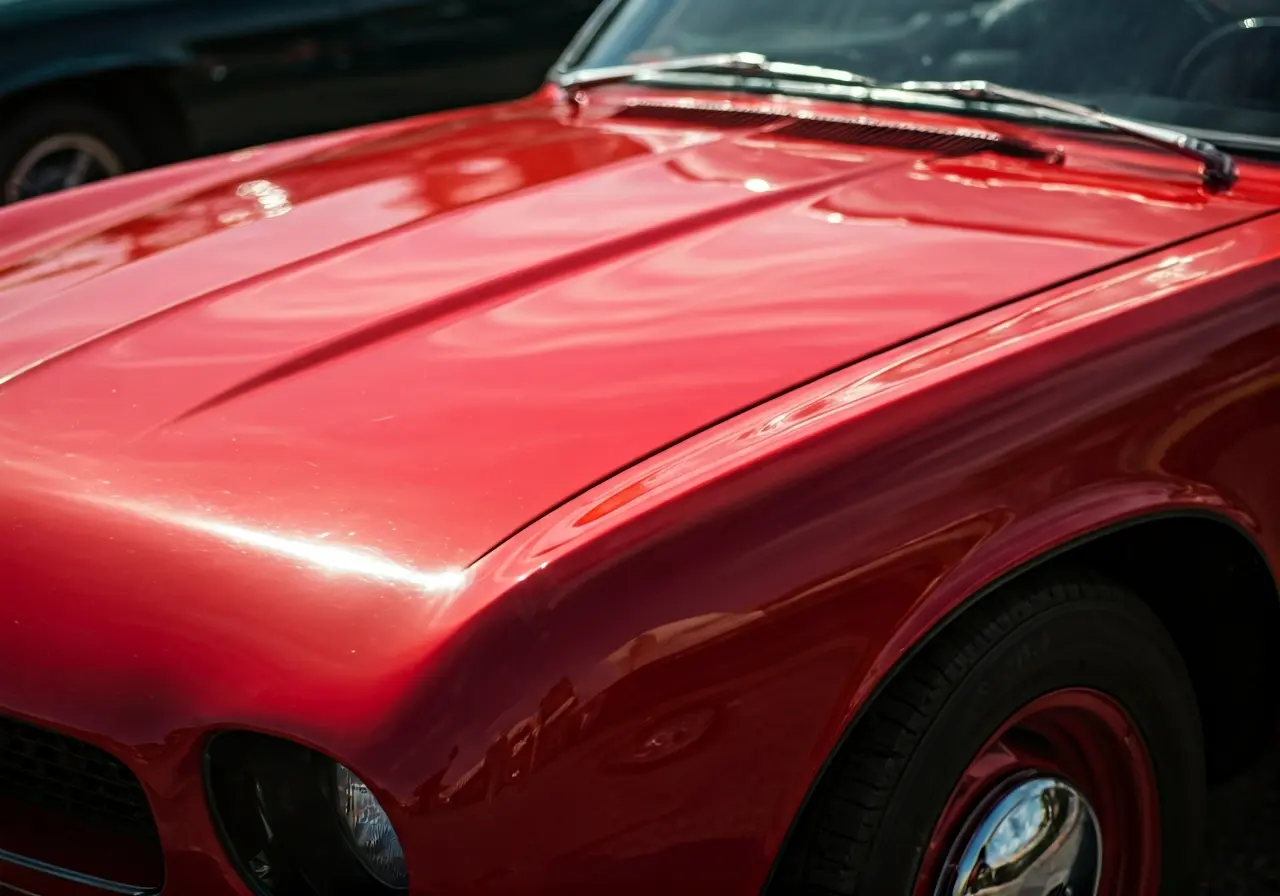
Paint polishing is an essential part of car maintenance, yet it’s often surrounded by misconceptions. Whether you’re a car enthusiast or just want to keep your vehicle looking sharp, it’s important to separate fact from fiction. Let’s debunk some common myths and help you make informed decisions about paint polishing.
1. Polishing Damages Your Paint
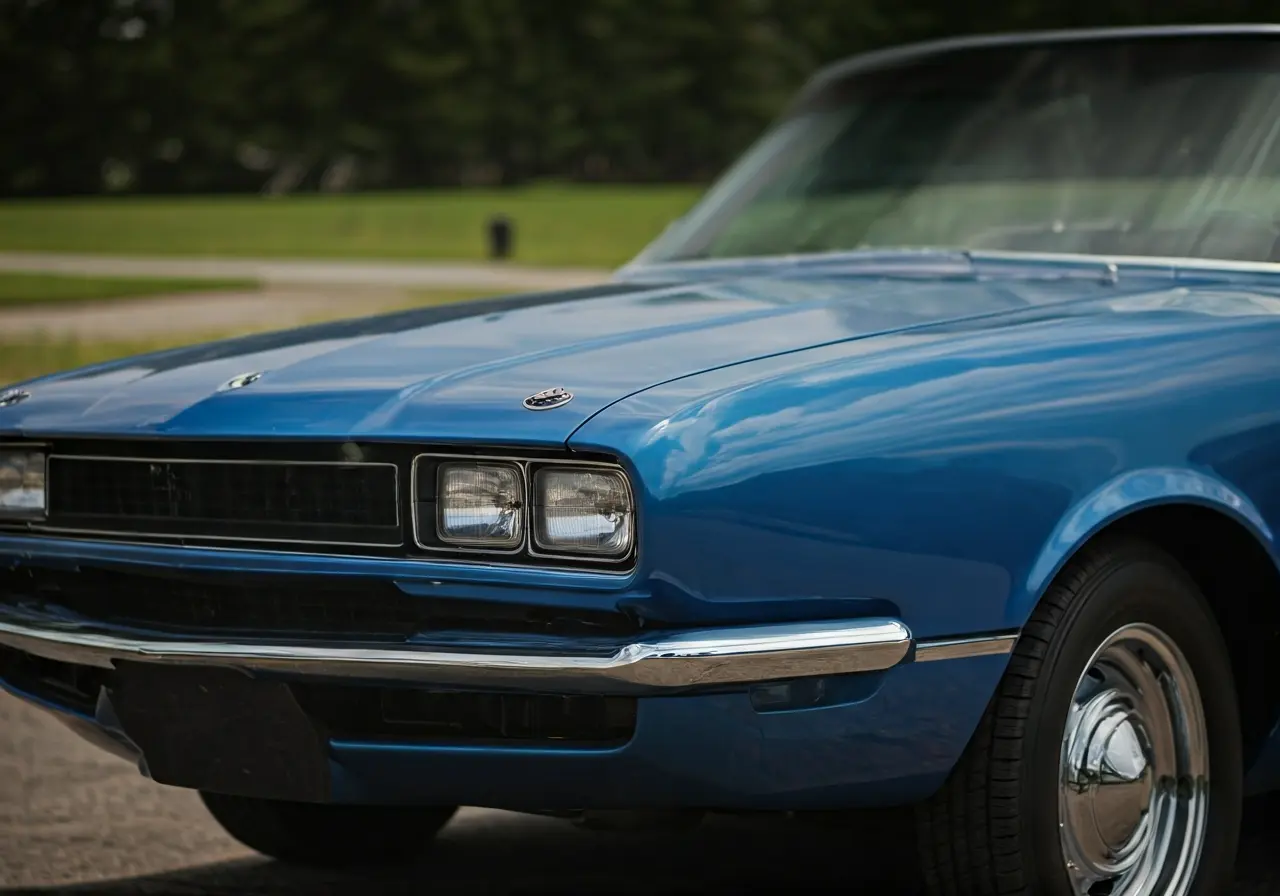
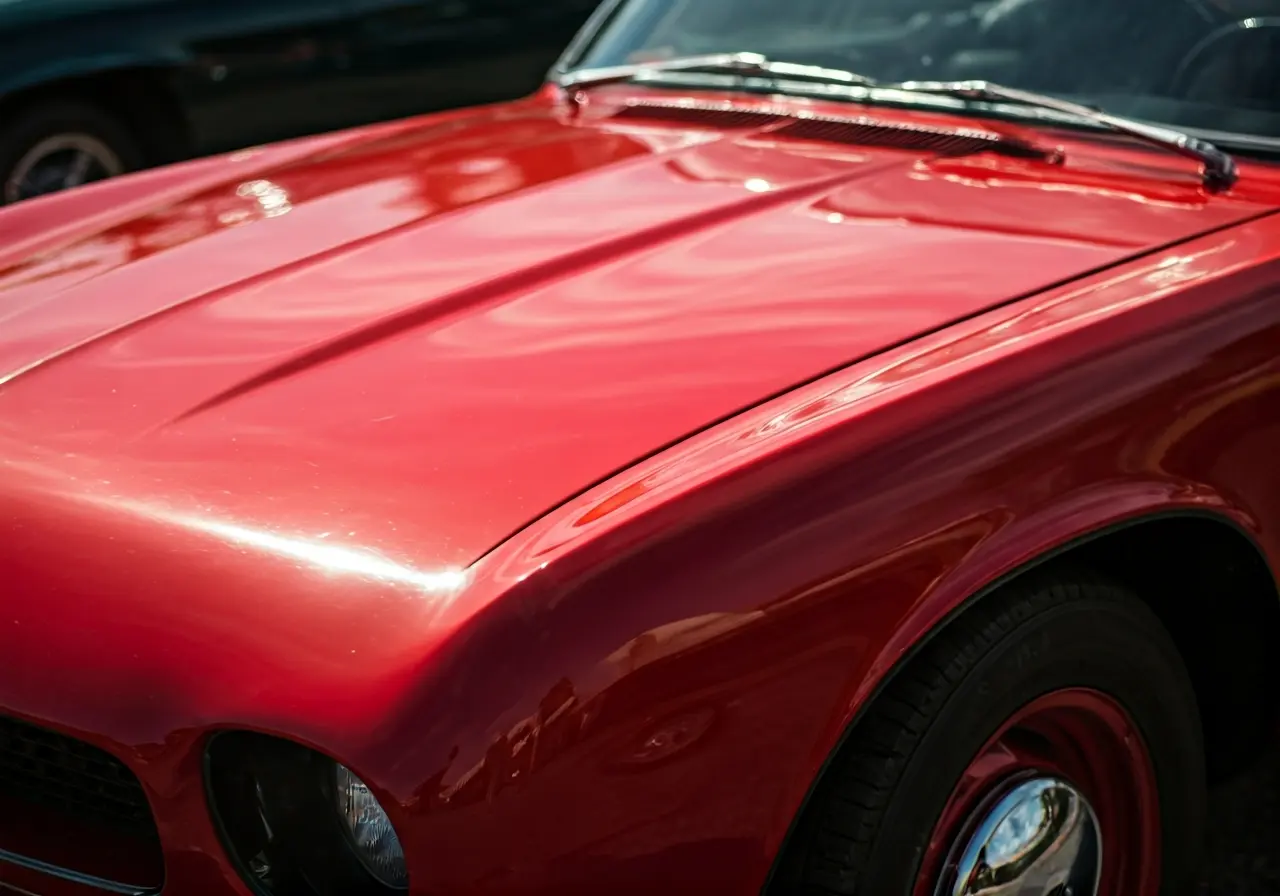
Many believe polish harms the paintwork, but with the right technique and products, polishing protects and enhances your car’s finish. The key to a successful polish lies in understanding the right abrasiveness and pressure to use. Think of polishing as exfoliating your car’s skin—too rough, and you damage it; just right, and you reveal the underlying beauty. Modern polishes are designed to be safe and enhance the luster without causing harm.
Moreover, investing time to learn proper techniques can yield results comparable to professional detailers. Many online tutorials and local workshops can provide guidance on how to best approach the task, ensuring both safety and shine. This effort not only maintains the vehicle’s look but prolongs the life of the paint as well.
2. Only Professionals Can Polish a Car
While pros provide excellent results, with the right tools and patience, any car owner can polish their vehicle at home. A good starting point is investing in a quality dual-action polisher, which is user-friendly and minimizes the risk of paint damage. Learning how to manage speed settings and product application can make a big difference in the result. Even beginners can achieve a decent finish by informing themselves about DIY techniques.
The secret to successful DIY polishing is understanding your vehicle’s needs and practicing patience. Spend time familiarizing yourself with your polish and buffer before diving into the task. Though it might seem daunting at first, you’ll soon appreciate the satisfaction of achieving professional-grade finishes on your own.
3. Waxing and Polishing Are the Same
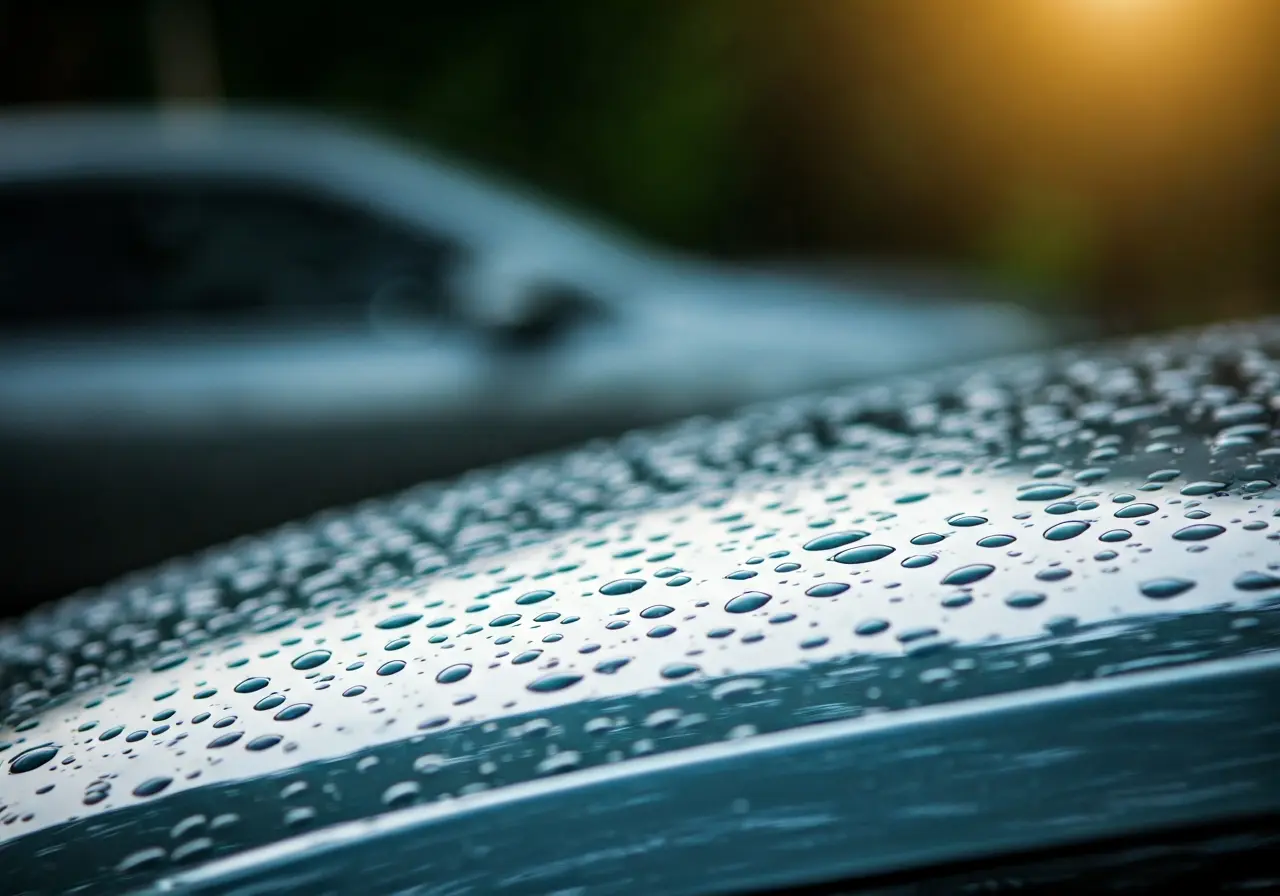
Polishing removes imperfections, while waxing adds a protective layer. They complement each other but aren’t interchangeable. Polishing involves cutting through the paint’s surface to eliminate scratches and imperfections, thus enhancing the overall clarity and depth of the paint. In contrast, waxing provides a layer of protection against environmental contaminants like rain, UV rays, and dirt. To keep your vehicle’s paint looking its best, both processes can be included in your maintenance routine without performing them simultaneously.
4. You Should Polish Your Car Frequently
Frequent polishing isn’t necessary. Depending on usage and conditions, polishing a few times a year is typically sufficient. Constant polishing can thin the paint unnecessarily, risking damage. Instead, focus on regular washes and wax applications in between your polishing sessions. This ensures that your car remains appealing without jeopardizing the paint’s integrity.
5. Machine Polishers Are Too Expensive
Though some are pricey, many affordable options deliver professional-quality results, making them a smart investment. Entry-level polishers today offer features that only high-end models used to provide, making this an accessible option for most car owners. It’s wise to keep an eye out for sales and discounts, or even consider refurbished units to keep costs down while still achieving impressive polishing results.
When choosing a polisher, consider its ease of use, weight, and power specifications. These factors can significantly influence your polishing experience and outcomes. By investing wisely, you can achieve a premium finish at an affordable price, ensuring your car looks its best without stretching your budget.
6. Polishing Protects Against Rust
Polishing doesn’t prevent rust but helps maintain a smooth, clean surface crucial to preventing moisture accumulation. Rust protection requires addressing any paint chips promptly and using appropriate sealants. By keeping your car’s surface polished, you ensure that such protective measures work as intended, preventing rust from finding a foothold.
Additionally, regular cleaning and drying can help sidestep rust issues. Pair these practices with polishing to improve your paint’s defense mechanism, but don’t forget rust-specific products and treatments when needed. Achieving rust prevention is about combining maintenance techniques to protect your vehicle holistically.
7. Any Polishing Product Will Do
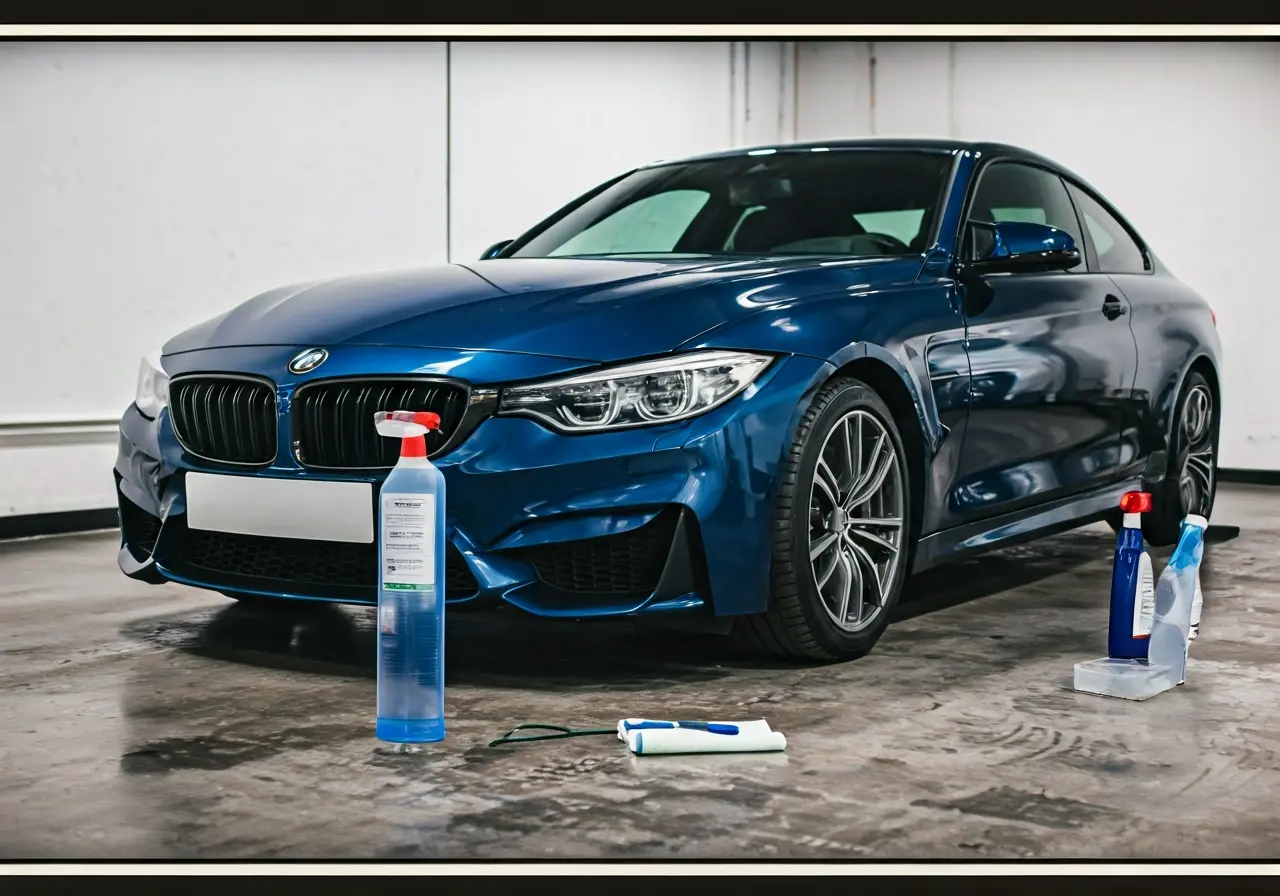
Selecting the right product for your paint type and condition is crucial to achieve the desired outcome and avoid further damage. Not all products are created equal; some are designed for specific paint types and finishes. Before selecting a polish, it’s important to research which products best suit your vehicle’s needs. Choosing incorrectly can lead to unsatisfactory results or even exacerbate existing issues, so due diligence pays off.
8. Polishing Increases Resale Value
A polished car often looks newer and better maintained, which can enhance buyer appeal and potentially increase perceived value. Presentation plays a significant role in the selling process, and polishing helps create a glow that speaks volumes. A clean, clear surface with minimized imperfections invites closer looks from potential buyers, giving sellers more room to negotiate better prices.
Yet, it’s crucial to combine polishing with other maintenance activities, such as necessary repairs and part replacements. Mechanical soundness in combination with visual appeal creates the ideal package for boosting a car’s resale value. Together, they tell potential buyers that the car was well cared for, making a compelling case for its premium pricing.
9. DIY Polishing Always Saves Money
While DIY can save costs, mistakes might lead to costly repairs. Weighing expertise and tool quality is essential. Incorrect techniques or incompatible products can result in scratches, burns, or uneven finishes that may require professional intervention, negating initial savings. It’s beneficial to tackle smaller areas first and gradually build confidence before committing to full surface polishing, reducing risks associated with ambitious attempts.
10. Once Polished, Your Car Stays Shiny
Environmental factors inevitably dull shine over time, making polishing part of regular maintenance. Dust, dirt, and pollutants accumulate on the surface, while UV rays work to fade the paint’s vibrant color. Regular washing, protective waxing, and timely polishing will ensure that your car maintains its splendid shine. These steps, performed with commitment, provide enduring benefits to your vehicle’s appeal and longevity.