
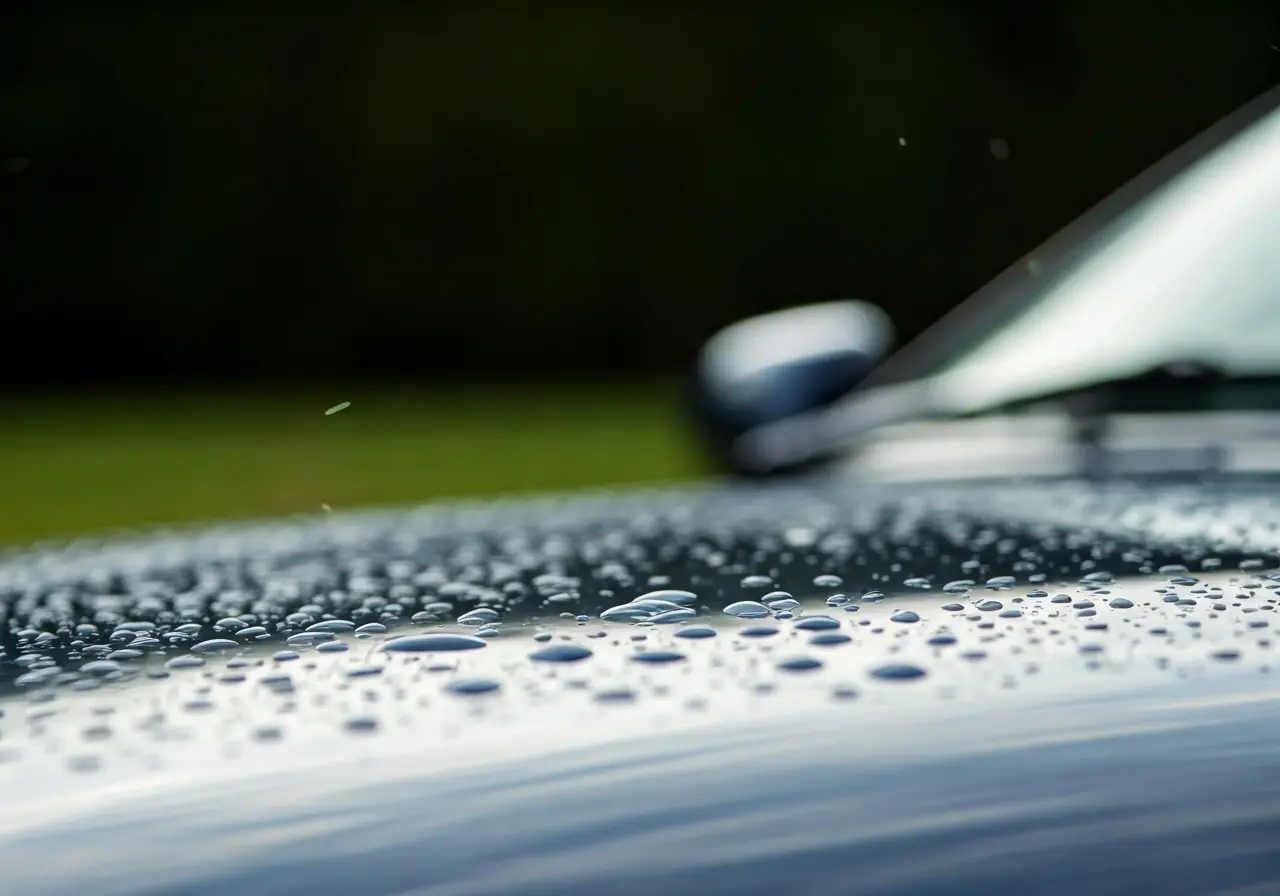
If you’re a car owner, you’ve probably heard about paint protection. But what exactly is it, and why does it matter for your vehicle? In this blog, we’ll break down the basics of paint protection and explore why it’s an essential step in keeping your car looking new for years to come.
What is Paint Protection?
Paint protection refers to various products like waxes, sealants, and ceramic coatings that shield the car’s surface from damage. These create a barrier against environmental pollutants, UV rays, and everyday wear and tear.
In essence, paint protection preserves your car’s exterior finish, ensuring it looks just as vibrant as the day you drove it off the lot. It’s a preventive measure that combats issues before they become visible—they stop minor scratches, swirl marks, and blemishes from ever taking hold.
Types of Paint Protection Options
There are several types of paint protection, each offering unique benefits. Wax is the most traditional form, providing a glossy layer that enhances visual appeal. Paint sealants offer more durability, lasting longer than wax. For the most robust protection, consider ceramic coatings, which chemically bond with the vehicle’s paint for long-lasting resilience.
For those seeking advanced protection, ceramic coatings offer unparalleled durability. These coatings form a nano-sized shield over your paint, providing exceptional resilience against the elements. Meanwhile, paint protection film is another formidable option, offering physical barrier that’s not only protective but also self-healing for minor scratches.
Choosing the right type of paint protection often depends on your lifestyle and the use of your vehicle. Some people prefer a more hands-on experience with frequent waxing, while others may opt for a ceramic coating solution that offers long-term peace of mind with minimal maintenance.
Benefits of Paint Protection
Paint protection prolongs the life of your car’s exterior. It guards against scratches, fading, and corrosion caused by environmental elements. This not only keeps the car looking pristine but also helps maintain its resale value.
Adding a coat of protection can also save you from frequent trips to the car wash. With a protective layer in place, dirt and grime have a harder time clinging to the surface, making your car easier to clean and maintain. It’s akin to applying sunscreen to your skin before a day at the beach.
In regions prone to harsh weather, such as heavy snowfall or intense heat, paint protection can be crucial in maintaining the integrity of your vehicle’s paint. Protecting your paint means preserving its gloss and color, preventing it from dulling over time due to constant exposure to detrimental conditions.
When and How to Apply Paint Protection
For optimal results, apply paint protection right after a thorough cleaning and drying of your vehicle. This ensures a clean base for the product to adhere to. Regular maintenance and reapplication, per the product’s instructions, will ensure lasting protection.
It’s best to apply paint protection in a controlled environment, away from direct sunlight and fluctuating temperatures. For DIY enthusiasts, be sure to follow the step-by-step guidelines specific to the product you’re using.
For those who are less comfortable with a DIY approach or seeking a superior finish, professional application can be a worthwhile consideration. Trained detailers use specialized techniques and tools to apply paint protection products, ensuring a flawless finish that maximizes the longevity and integrity of the protective layer.
Protect Your Investment with Paint Protection
Incorporating paint protection into your vehicle’s care routine can significantly extend its lifespan and maintain its aesthetic appeal. Whether you opt for a wax, sealant, or ceramic coating, protecting your vehicle’s paint is an investment worth making. This simple step can save you money on repairs and paint jobs while preserving the beauty of your car. To learn more about how to protect your investment, visit LevelUp Detailing.