


Keeping your vehicle in top condition not only enhances its appearance but also maintains its value. Regular pro auto detailing is a vital component of vehicle care. But how often should you really be scheduling these services? Let’s explore.
Understanding the Benefits of Pro Auto Detailing
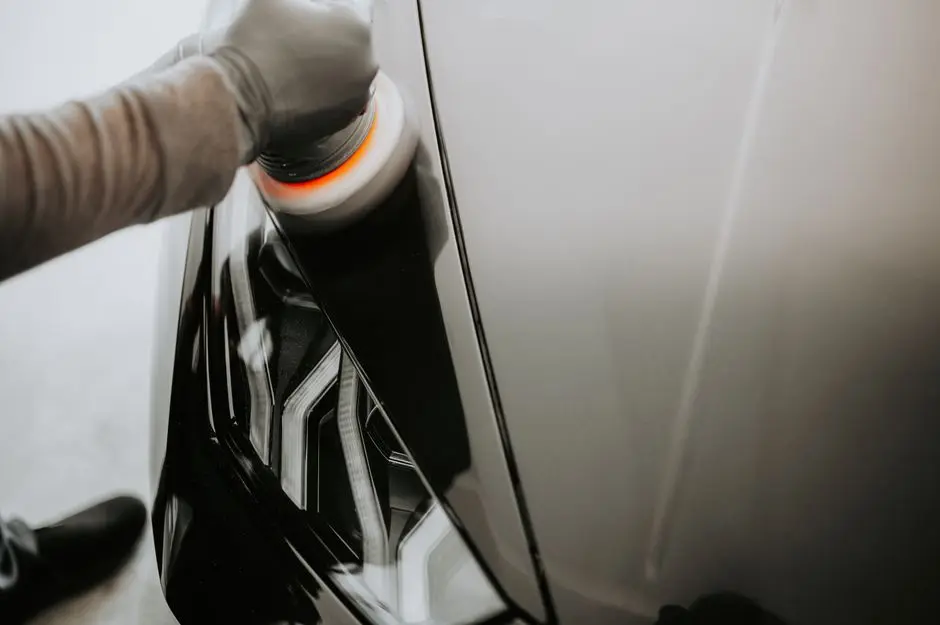
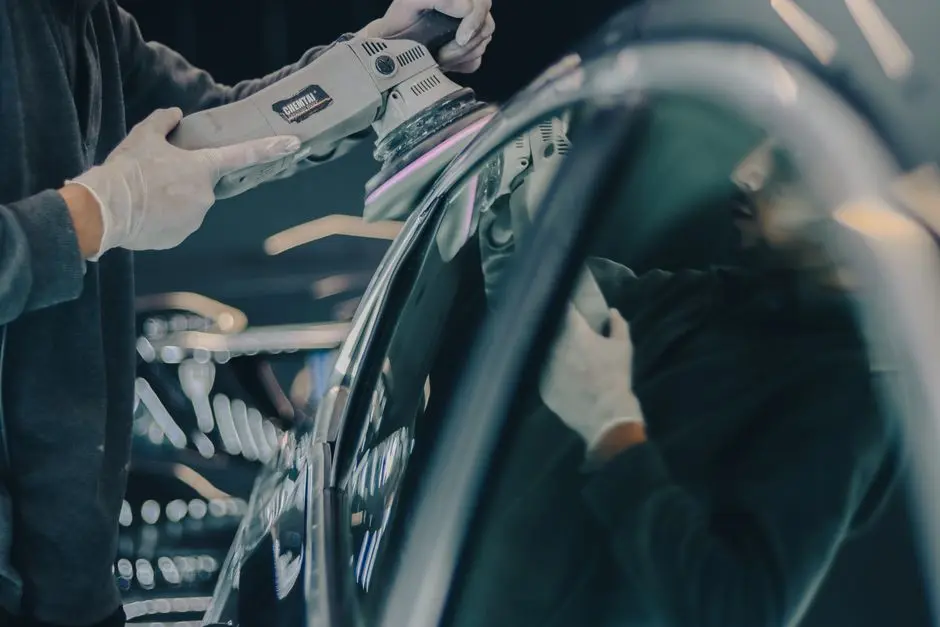
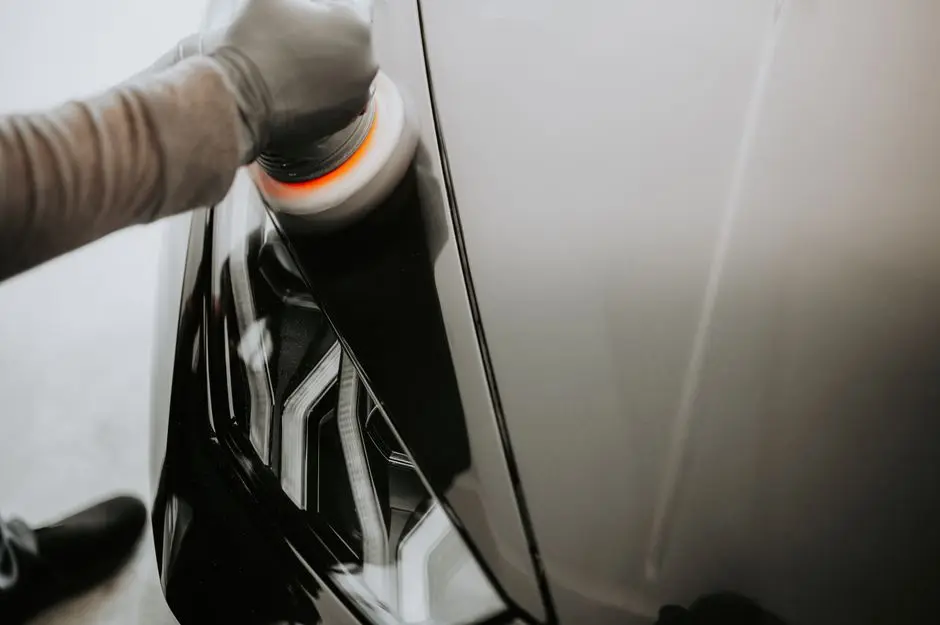
Professional auto detailing goes beyond a simple car wash. It’s a thorough cleaning, restoration, and finishing of a vehicle, both inside and out, to produce a show-quality level of detail. This meticulous process enhances the longevity and appearance of your vehicle, making it an essential part of car maintenance.
Detailing also helps protect your car’s paint and interiors from environmental damages. Things like UV rays, dirt, and pollutants can cause significant harm over time, dulling the paint and wearing down the interior surfaces. A detailed vehicle is better shielded against these threats, keeping it looking newer for longer.
Imagine driving a car that always looks and feels like new. That’s the magic of regular pro auto detailing. Not only does it boost the aesthetic appeal of your car, but it also elevates your driving experience.
Factors That Influence Detailing Frequency
The necessity for detailing can be influenced by factors like climate, driving habits, and exposure to elements. For instance, cars in areas with harsh weather conditions may need more frequent detailing due to increased exposure to things like salt, rain, or harsh sunlight.
Living in a city with heavy traffic or industrial zones can also demand more frequent detailing. Pollution and grimy roads mean more dirt and dust accumulating on your vehicle, which could damage the paintwork if not handled promptly.
The condition of the roads you travel on plays a significant role. Off-road driving or regular exposure to rough terrain can take a toll on your car, necessitating more frequent pro auto detailing to maintain its integrity.
General Guidelines for Detailing Frequency
For most vehicles, scheduling a professional auto detailing every 4 to 6 months is advisable. This timeline balances cost while ensuring the vehicle remains in excellent condition. However, car owners who prioritize maintaining peak vehicle aesthetics may opt for monthly or bi-monthly services.
A simple guideline is to align your detailing schedule with the changing seasons. This can help protect your car against season-specific concerns such as summer’s heat or winter’s de-icing salts. For example, a thorough detailing before winter sets in can protect the car’s exterior from road salt.
Ultimately, the specific timeline is personal and can be adjusted to suit your unique needs. Keeping a keen eye on your vehicle’s appearance and performance can help you decide when it’s time to schedule the next session.
Signs Your Vehicle Needs Immediate Attention
If you notice your car’s paint losing its shine, an accumulation of debris, or stains and odors in the interior, it may be time to schedule a detailing, regardless of the last service. Neglecting these signs can lead to further damage and depreciation of your vehicle.
Specific odors that linger even after cleaning could indicate mold or bacterial growth in the cabin, necessitating immediate interior detailing. A clean cabin isn’t just pleasant but also ensures a healthier and safer traveling environment.
Customizing Your Detailing Schedule
Depending on your lifestyle, you might need to adjust the detailing frequency. Enthusiasts or collectors, for instance, might detail more often to maintain the vehicle’s aesthetic. For those who use their car as a daily driver, the detailing frequency could be less frequent but should remain regular.
Customizing your schedule also involves considering how you use your vehicle. If your car often transports kids or pets, chances are it requires more frequent detailing to handle messes and fur. Tailoring the schedule ensures your vehicle gets the attention it needs when it needs it.
Final Thoughts on Detailing Frequency
Incorporating pro auto detailing into your regular vehicle maintenance routine is essential for both the short and long-term upkeep of your car. While the frequency can vary based on personal preferences and conditions, a general guideline provides a solid starting point to ensure your vehicle remains in pristine condition.