
Window tinting is a popular way to enhance privacy and reduce glare, but there are many misconceptions surrounding this practice. In this blog, we’ll unravel the most common myths about tinting windows, helping you understand the facts and make informed decisions.
1. Window Tinting Is Only for Aesthetic Purposes
While window tinting can indeed elevate the look of your car or home, it also offers practical benefits such as UV protection, privacy, and improved energy efficiency.
Peering behind the cosmetic veil, window tinting serves as a silent guardian against the sun’s harmful rays. Many people are unaware that untinted windows expose them to ultraviolet radiation, which can lead to both skin damage and fading of interiors. Tint films are designed to block up to 99% of harmful UV rays, providing protection akin to a sunscreen for your windows. Additionally, for those invested in green living, tinted windows reduce the load on cooling systems—a boon for energy savings, as indicated in various studies.
2. Tinting Windows Is Illegal Everywhere
Many believe that tinting windows is against the law, but regulations vary by location. Understanding local laws ensures compliance while enjoying the benefits.
Navigating the legal landscape of window tinting requires a nuanced understanding of local statutes. While it’s true that some areas have strict guidelines concerning the degree of tint, these regulations are intended to maintain safety, ensuring drivers have clear visibility. For example, certain states permit a higher Window Tint Darkness (VLT) percentage on rear windows compared to front ones. Keeping abreast with the tint laws specific to your locale is crucial to avoid any legal inconveniences.
3. It Makes Driving at Night Risky
Some fear that tinted windows reduce visibility at night. In reality, correctly applied tints maintain visibility while reducing glare from headlights.
When it comes to nighttime driving, visibility is paramount. Many drivers are concerned about sacrificing this for the sake of daytime benefits. However, when chosen wisely, window tints are designed to enhance driver comfort at all hours. Quality tints with lower VLT ratings provide a balanced shield, curtailing daytime glare without impeding night vision. Notably, advancements in tinting materials have led to films that adapt to varying light conditions, optimizing safety and comfort regardless of the time of day.
4. Tinted Windows Require Excessive Maintenance
Contrary to popular belief, tinted windows are easy to maintain with routine cleaning, similar to any other windows.
The misconception that tinted windows demand rigorous upkeep dissuades many. In reality, maintaining tints is as straightforward as maintaining any clear glass—using non-abrasive cleaners and soft cloths is key. Over time, using appropriate products ensures that the tint remains pristine, maintaining both its protective qualities and aesthetic appeal. Contrary to the myth of constant maintenance, tinted windows blend seamlessly into regular cleaning routines.
5. They Will Fade Over Time
High-quality window tints are engineered to be fade-resistant, providing long-lasting performance without discoloration.
For those worried about fading, it’s important to understand the durability of modern tint technology. Unlike the early days of window tinting, where films were notorious for discoloring, today’s tints are engineered with longevity in mind. Quality films are composed of multiple layers, including UV inhibitors that not only prevent the tint from fading but also protect against damaging sunlight exposure. Choosing reputable brands is crucial to enjoying years of uncompromised performance.
6. Tint Can Be Applied by Anyone
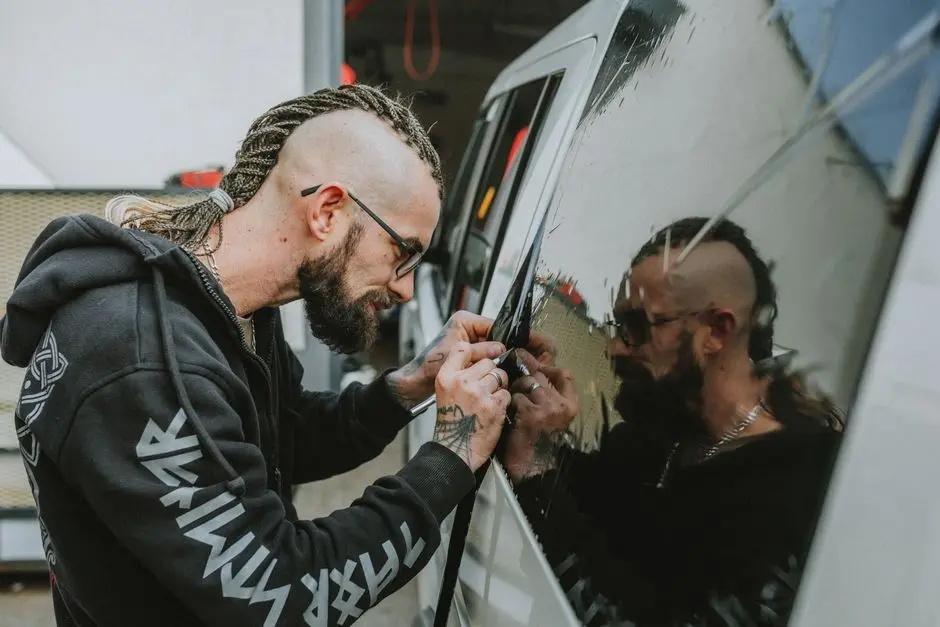
Although some DIY kits are available, professional application ensures a flawless finish and compliance with legal standards.
It’s tempting for the cost-conscious to opt for do-it-yourself tint kits, but the intricacies involved demand expertise. A professional tint application ensures that the film is aligned without bubbles or creases, providing both visual and functional integrity. Professionals are also knowledgeable about the legal tint limits in their area, ensuring that the job done is not only aesthetically pleasing but also compliant with local laws. Investing in professional services ensures peace of mind and long-term satisfaction, as this insider perspective explains.
7. It Can Damage Your Windows
Properly installed window tints will not damage glass. In fact, they offer an additional layer of protection against impacts.
A surprisingly common fear is that tinting might somehow harm the glass to which it’s applied. This couldn’t be further from the truth. Professionally installed tints can actually enhance the durability of the glass, providing protection against scratches and minor impacts. They act as a shield, adding an extra layer of security that can prevent glass from shattering during minor accidents or break-ins. Knowing this, it becomes clear that tinting is a protective rather than a damaging measure.