
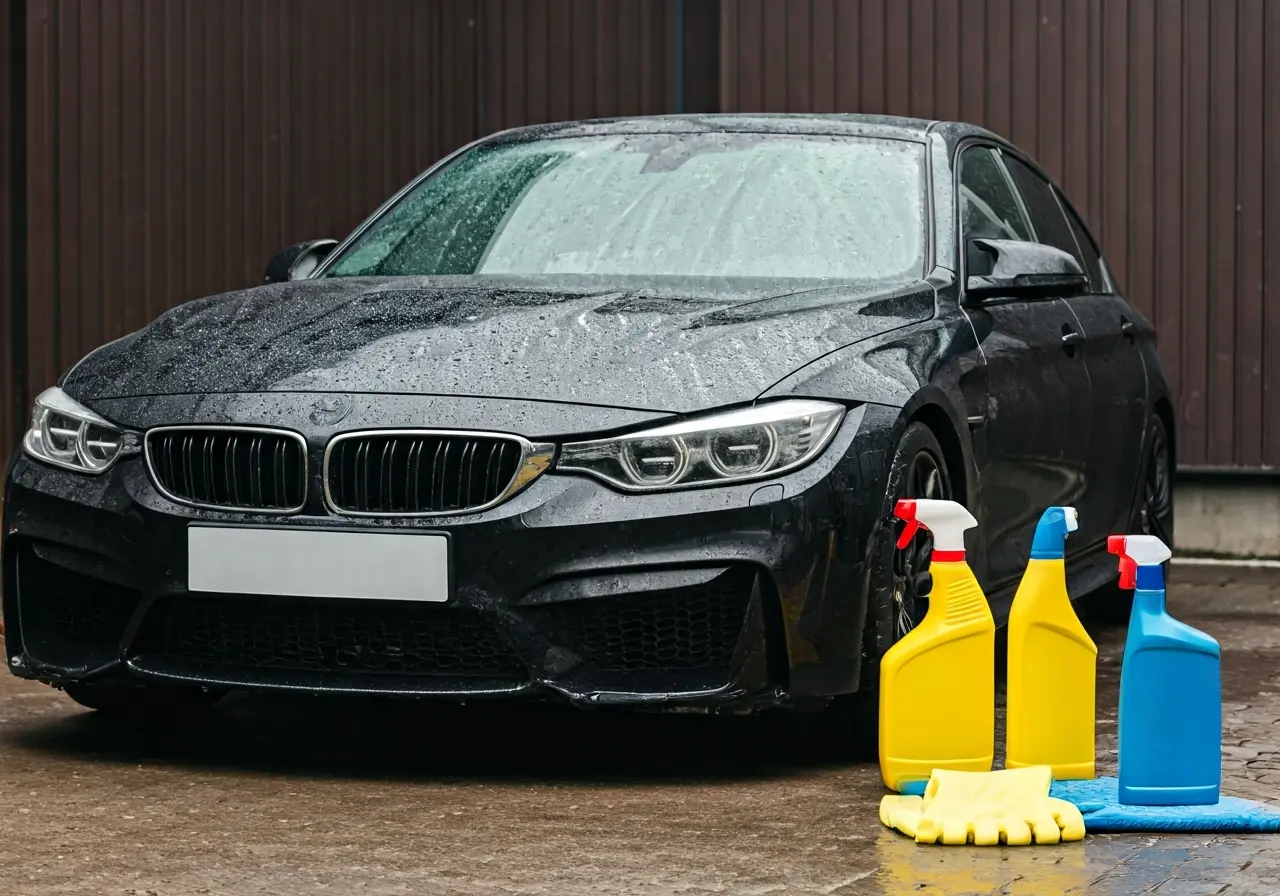

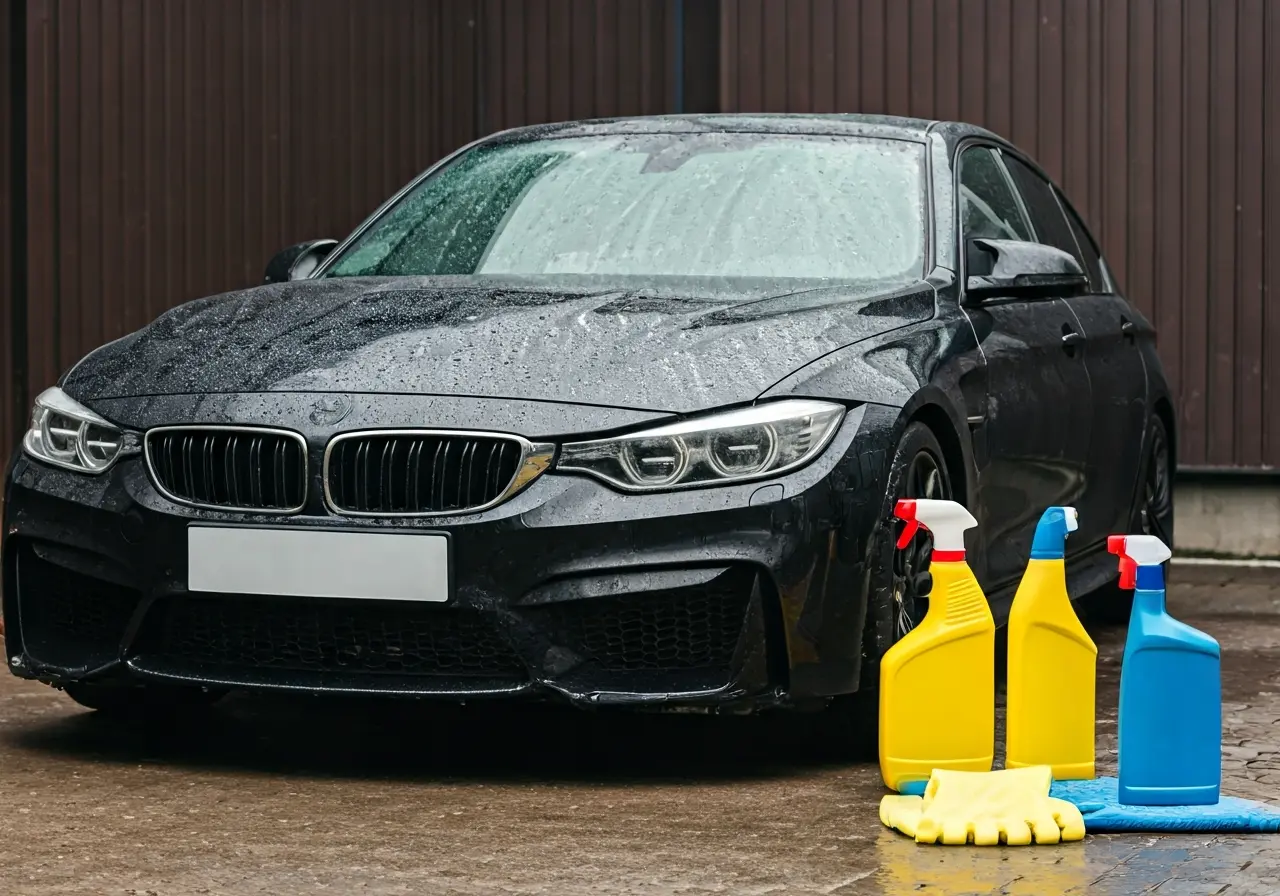
Keeping your car sparkling clean not only enhances its appearance but also ensures its longevity. However, many people make mistakes during the cleaning process that can lead to damage rather than shine. In this blog, we’ll explore some common car cleaning blunders and how to sidestep them for a pristine finish.
Using the Wrong Cleaning Products
Choosing the right cleaning products is crucial for protecting your car’s finish. Many common household cleaners, such as dish soap or glass cleaner, can be too harsh for automotive surfaces, leading to scratches or even paint damage. Dish soap, for instance, is designed to cut through grease and can strip away the protective wax coating on your car, leaving it vulnerable to the elements. Opt for products specifically designed for cars to avoid these pitfalls. Automotive cleaners are formulated to be gentle yet effective, ensuring that all parts of your vehicle, from the paintwork to the windshield, are treated with care. Additionally, checking the labels on cleaning products for compatibility with your car’s paint type can be a smart move to avoid any unforeseen damage.
When choosing car cleaning products, you may wonder how to select the best ones for your vehicle. Fortunately, there are resources and guides available that can help you make informed decisions. Look for trusted brands in the auto-care industry that offer various solutions, including specialized shampoos, waxes, and protectants. Reading product reviews or seeking recommendations from professional detailers can also point you in the right direction.
Skipping the Pre-Rinse
A pre-rinse might seem like an unnecessary step, especially if you’re in a hurry, but it is essential in ensuring a scratch-free wash. Skipping this step can trap dirt and grit in your cleaning mitts, causing scratches on your vehicle’s surface. Always rinse your car with water first to remove loose particles before applying any soap. This initial rinse acts as a safeguard, allowing the subsequent steps to be more effective and less abrasive.
A comprehensive pre-rinse helps to soften and loosen stubborn contaminants, like dried mud or insect residue, making them easier to wash away during the soaping process. By removing these particles upfront, you’re minimizing the risk of dragging grit across the paintwork, which could otherwise result in unsightly swirls and micro-scratches. In the long run, neglecting this step can dull the finish of your car, so take the extra few minutes for a thorough rinse.
Washing Under Direct Sunlight
Washing your car directly under the sun can cause soap and water to dry too quickly, leading to water spots and streaks. These spots appear when minerals in the water are left behind after evaporation, and if left untreated, they can bond to the paint, making them challenging to remove. To avoid this, choose a shaded area or clean during cooler parts of the day. Early mornings or late afternoons are optimal for reducing sun exposure and ensuring the best results.
In addition, when water and cleaning products dry too fast, they’re less effective at loosening residues and grime, resulting in extra scrubbing, which can harm the paint surface. Water softened with detailing sprays or using microfiber cloths can help reduce the risk of streaks and spots if washing in the sun is unavoidable. Still, it’s best to plan your car wash on days with overcast weather or to find a carport or garage that offers shade.
Using One Bucket for Washing
The one-bucket method might seem convenient, but it can do more harm than good. Using a single bucket for both rinsing and soaping can lead to reapplying dirt on your car, essentially scratching and dulling your car’s paintwork. The two-bucket method is a simple yet effective solution. One bucket should be filled with soapy water, while the other contains clean water for rinsing your cloth or mitt. This way, you can wash off dirt before dipping back into the soapy water, ensuring cleaner suds are applied each time.
Another helpful tip is to incorporate a grit guard at the bottom of your rinse bucket. This handy accessory keeps dirt and particles separated at the bucket’s base, reducing the chance of contaminating your wash mitt with residual debris. Combining the two-bucket method with grit guards can significantly enhance the quality of your car washing routine, providing a cleaner and safer wash.
Neglecting the Wheels First
When cleaning your car, always start with the wheels. They often harbor the most dirt and grime. Neglecting the wheels or cleaning them last can lead to brake dust and dirt splattering onto an already cleaned car body, undoing your hard work. Tackling them at the start ensures that all the muck coming from the wheels won’t mix with a cleaned surface.
Moreover, using a specialized wheel cleaner and brush can help in reaching tough spots that accumulate grime, such as lug nut areas and calipers. Regular attention to your wheels not only improves the immediate appearance of your vehicle but also extends the lifespan of your tires and rims by preventing corrosion. It’s a small step with a significant payoff for your car’s overall maintenance.
Keep Your Car Gleaming with the Right Techniques
By avoiding these frequent car cleaning mistakes, you can maintain your vehicle’s beauty and value for years to come. Remember, a little knowledge goes a long way in ensuring that your car stays in top condition. Happy cleaning!