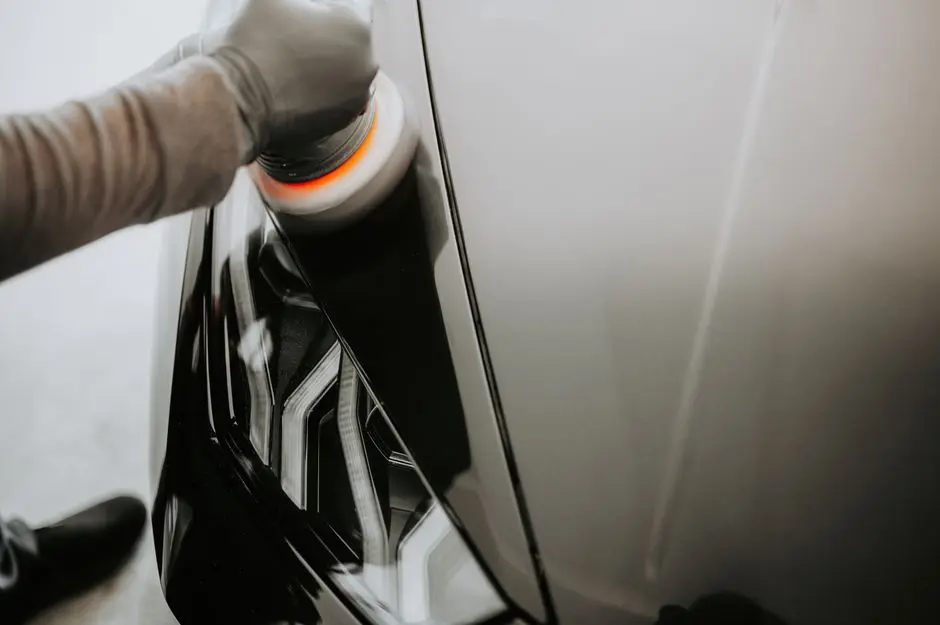

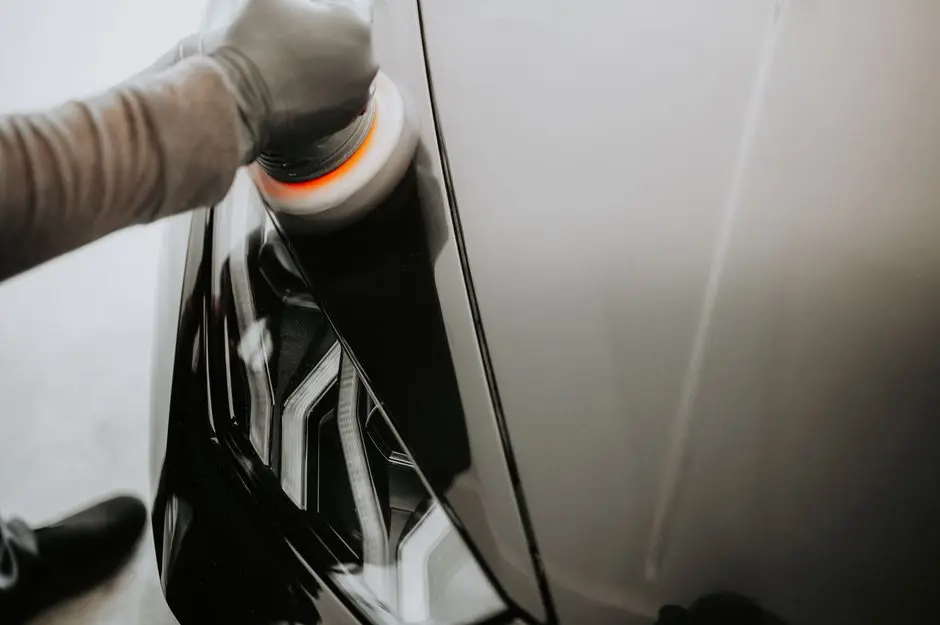
Are you tired of your car’s paint losing its luster after just a few washes? If so, certified ceramic coating might be the ultimate solution for you. In this guide, we’ll explore everything you need to know about ceramic coatings, from what they are to how they work, and why they’re becoming a must-have for car enthusiasts around the globe.
What is Certified Ceramic Coating?
Certified ceramic coating is a liquid polymer applied to the exterior surfaces of a vehicle that chemically bonds with the factory paint to form a protective layer. This coating is renowned for its ability to resist dirt, grime, and chemical contaminants, making your vehicle easier to clean and maintain. Its presence significantly reduces the need for frequent washing, allowing the paint to retain its pristine condition longer than with traditional wax. Unlike wax, which wears away when exposed to heat or repeated washing, ceramic coatings offer a lasting solution for those seeking to keep their cars in showroom condition without constant upkeep.
But what truly sets certified ceramic coatings apart from other protective solutions is their chemical resilience. When applied, they not only provide a barrier against environmental hazards like acidic pollutants and bird droppings but also safeguard against UV damage, which can fade the paint over time. The popularity of ceramic coatings has surged in recent years, largely due to their unmatched ability to combine protection with aesthetics. Car enthusiasts and everyday drivers alike appreciate the deep, reflective shine that these coatings impart to any vehicle.
How Does Ceramic Coating Work?
The science behind ceramic coating lies in its chemical composition. Once applied, it creates a hydrophobic surface that repels water and other unwanted substances. This means that dirt and debris simply slide off, reducing the risk of micro scratches or swirl marks during cleaning. The hydrophobic nature also prevents water spots from forming, a common issue with untreated paints, ensuring that your car maintains a spotless appearance even after a rainstorm.
Chemically, ceramic coatings are composed of liquid polymers which include silicon dioxide or silica, a natural compound that creates an ultra-thin glass-like layer over the paint. This layer bonds at a molecular level, creating a semi-permanent shield that outperforms traditional waxes or sealants in longevity and durability. As a result, the risk of paint erosion and fading due to environmental exposure is minimized, keeping your car looking fresh from the lot. This technological innovation is why many vehicle owners are turning to certified ceramic coatings for a combination of aesthetic enhancement and protection.
Key Benefits of Certified Ceramic Coating
The benefits of applying a certified ceramic coating extend beyond mere aesthetics. It enhances the vehicle’s gloss, offers UV protection, reduces oxidation, and preserves the paint job from light wear and tear. This results in a higher resale value and long-lasting visual appeal. UV exposure normally causes paint breakdown over time, but ceramic coating counters this, allowing for less deterioration and a permanently radiant look. The coating’s high-gloss finish not only elevates the car’s appearance but also reflects the owner’s commitment to meticulous maintenance.
Interestingly, one of the often-overlooked advantages of ceramic coatings is their role in reducing drag and thereby enhancing the vehicle’s aerodynamic efficiency. While these changes might be minor for everyday drivers, they are greatly appreciated by racing enthusiasts and those wanting every bit of performance from their car. With growing environmental concerns, some come to appreciate that ceramic coatings are notably more durable than traditional wax and sealants, which means fewer applications and less environmental impact from product waste.
Another compelling benefit lies in the reduction of time and resources spent on maintenance. The protective layer created by the ceramic coating makes washing your car a breeze. Dirt and grime won’t adhere as strongly to the treated surface, which means less elbow grease when cleaning and, ultimately, more time saved. Moreover, these coating it adds a layer of protection that guards against small abrasions and the impact of harmful chemicals, shielding the car from external threats that normally result in costly repairs.
Choosing the Right Professional for Application
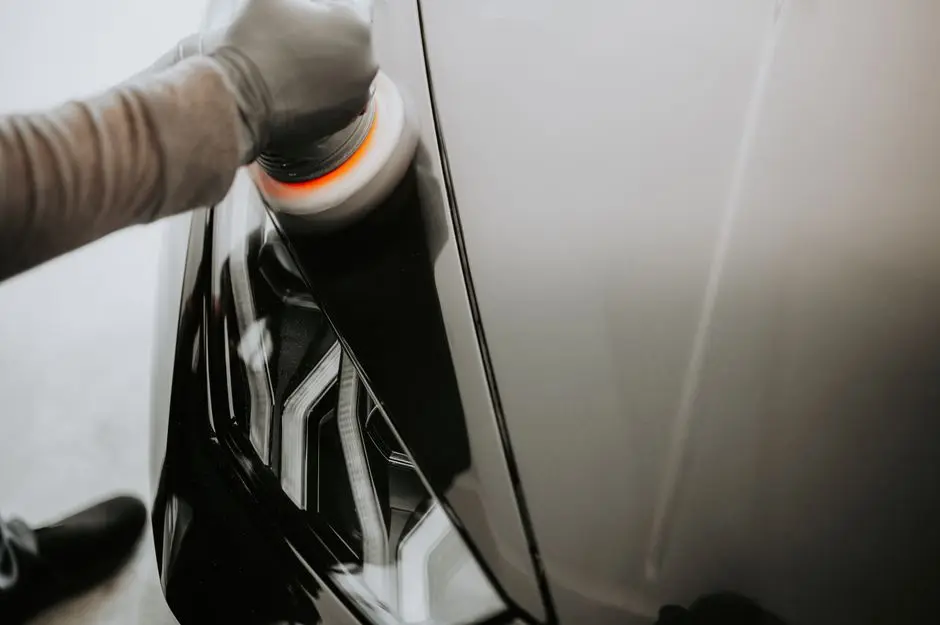
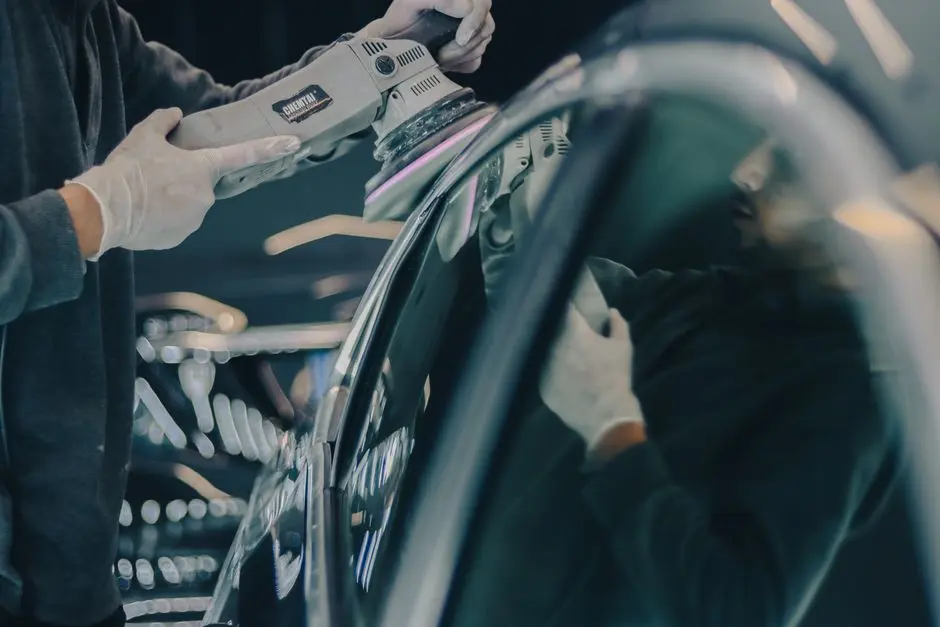
Selecting a certified professional for your ceramic coating application is crucial for optimum results. Check for credentials, customer reviews, and previous work examples to ensure you’re investing your money wisely. A well-applied ceramic coating can last several years, depending on the product and quality of application. Trusted professionals provide warranties and aftercare guides to guarantee satisfaction, and they use specialized tools and techniques that are not easily replicated by DIY enthusiasts. Such markers of authenticity are critical in ensuring that what you pay for is the best return on investment for your car’s long-term protection.
In addition to checking professional credentials, it’s paramount to understand the different types of coatings offered. Some professionals may pitch generic products that won’t perform as well as a certified ceramic coating. Engage with your professional about the different grades and brands they use in their applications, and don’t shy away from inquiring about their training and practicum in the application of such products. Accreditation from reputable bodies or brands is often a sign of trustworthiness and should be a deciding factor in your choice.
Maintenance Tips for Prolonging Your Coating’s Effectiveness
Even with a ceramic coating in place, proper maintenance is essential. Regularly wash your car using pH-neutral products, avoid harsh chemicals, and adhere to the maintenance guidelines provided by your applicator to keep your coating in top condition. Ensure to follow up with periodic re-evaluations by professionals. This step will identify any spots where potential re-coating may be necessary.
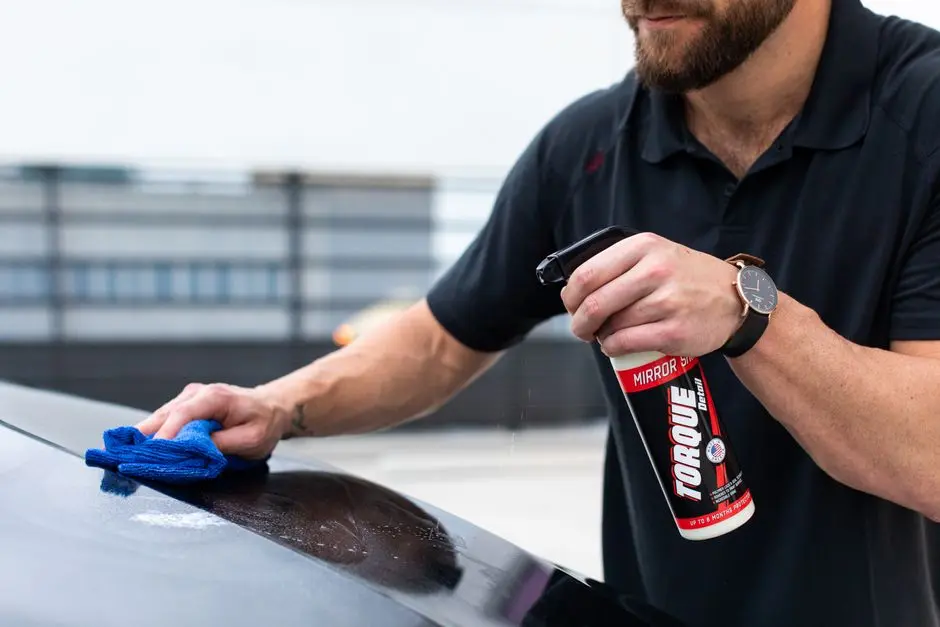
Another key maintenance tip is to use a microfiber cloth for drying your vehicle. This reduces any potential for scratches which may compromise the protective layer, maintaining the impeccable finish. It’s also important to only undertake tasks such as car washing in shaded areas to prevent water from evaporating too quickly and leaving spots. Taking the time to invest in these small steps will ensure the longevity of your certified ceramic coating and by extension, your vehicle’s unblemished appearance.
Scheduling regular inspections with the professional who applied your ceramic coating can also help identify issues before they escalate. Poor maintenance habits can gradually undermine the coating’s effectiveness, and these inspections ensure any deficiencies are promptly addressed. Ultimately, when combined with a tailored care regimen inspired by professional guidelines, maintenance becomes less of a chore and more of a streamlined process that keeps your vehicle shining longer.
The Long-lasting Benefits of Certified Ceramic Coating
Investing in certified ceramic coating is more than just a cosmetic upgrade; it’s a long-term commitment to maintaining the beauty and value of your vehicle. By understanding the application process, benefits, and maintenance tips, you can ensure your car retains its showroom shine for years to come. Remember, the key to success is in choosing the right professional and following the correct care guidelines.