Navigating the world of car window tinting can be a bit confusing, especially when you have to consider the legal regulations. If you are a car owner in North Carolina, understanding the state’s laws on window tinting is important to ensure your vehicle stays compliant. In this guide, we will break down everything you need to know about legal tint in NC in an easy-to-understand way.
What is Window Tinting?
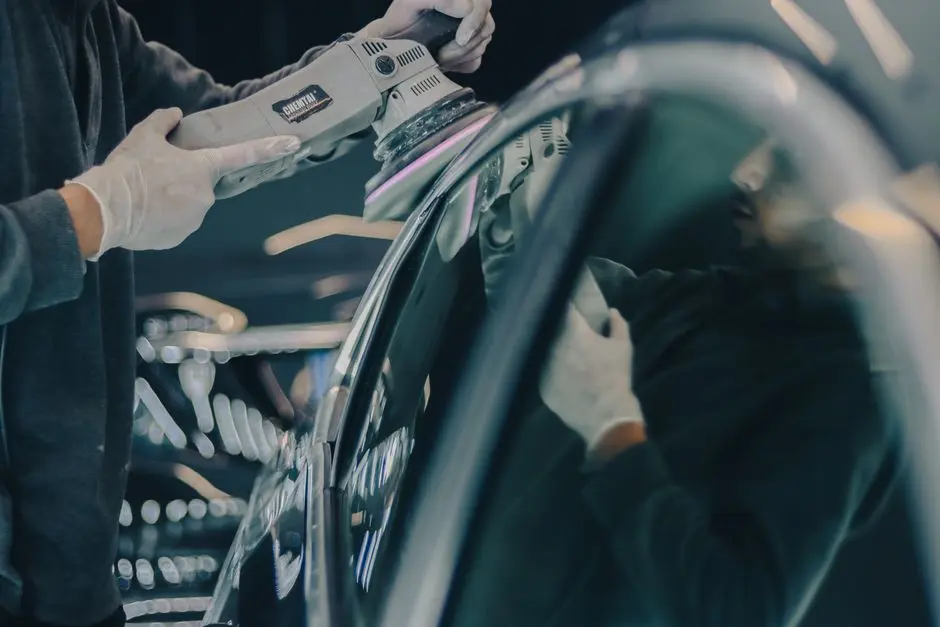
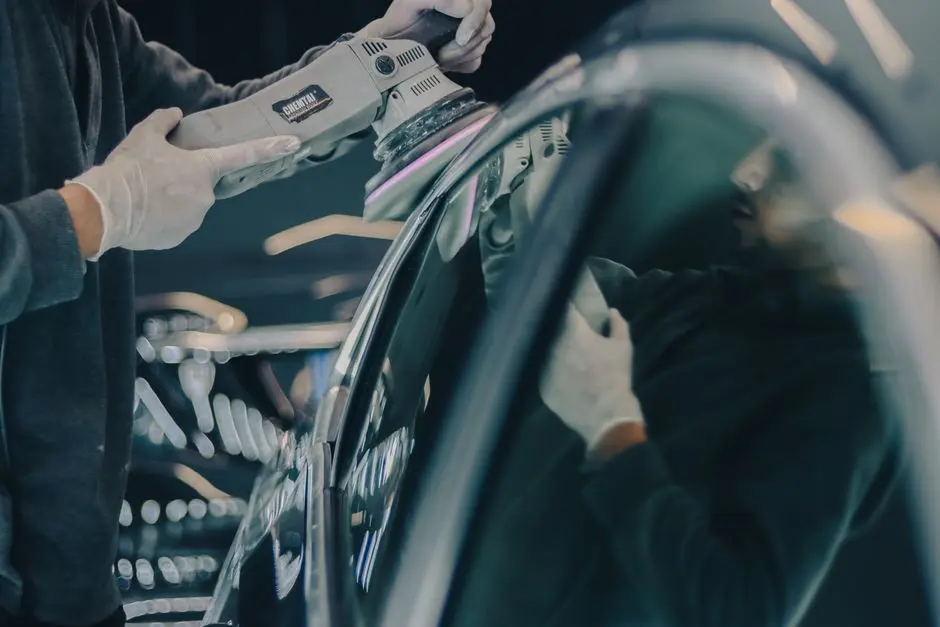
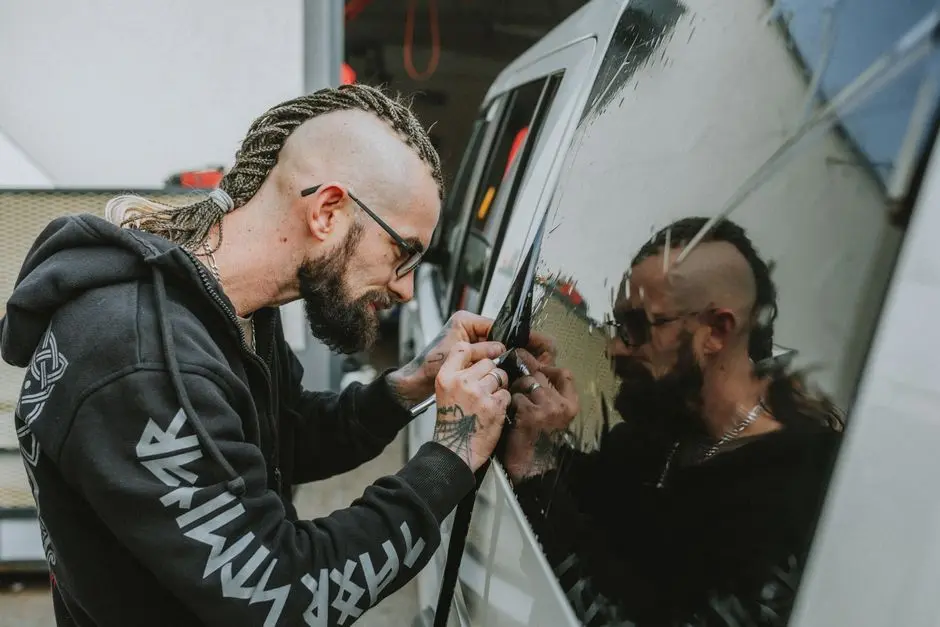
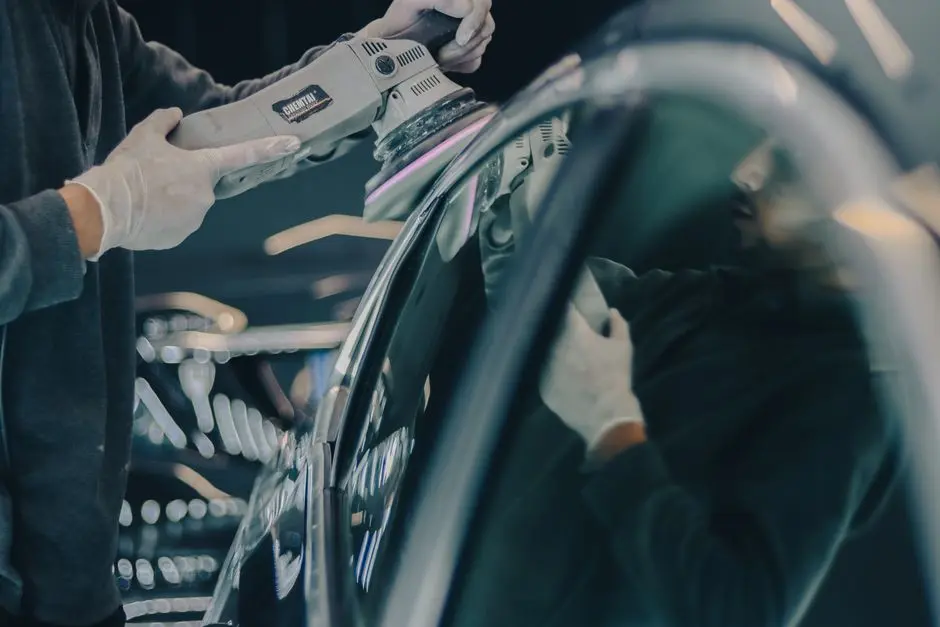
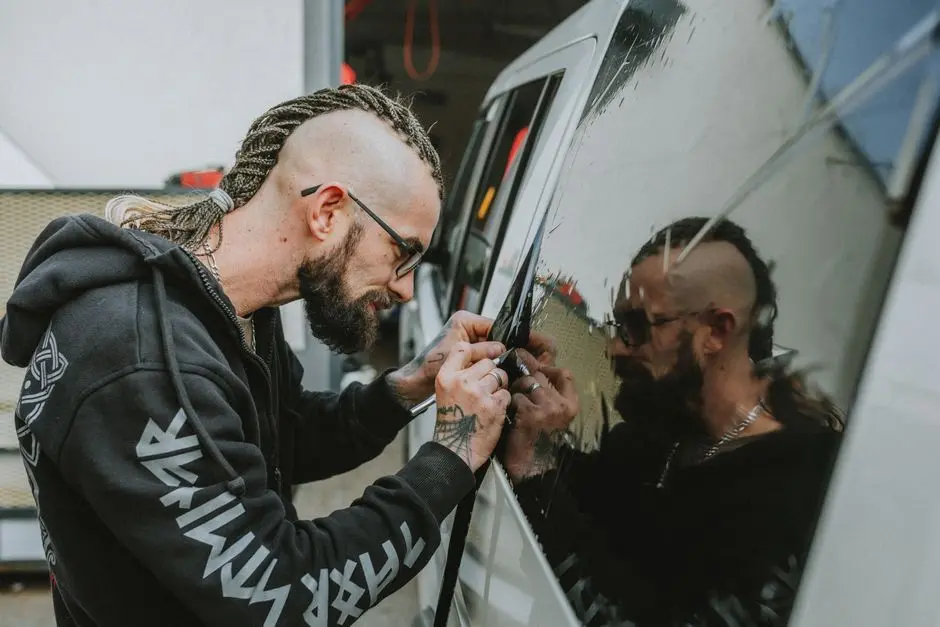
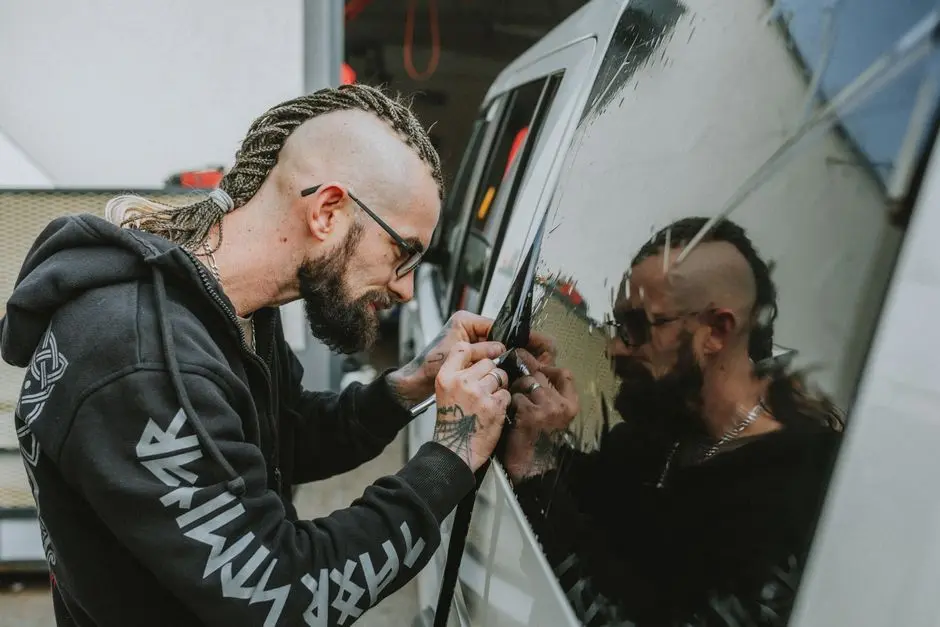
Window tinting involves applying a thin film to the interior surface of your car windows. This film can reduce glare, block UV rays, and offer privacy, all while enhancing the look of your vehicle. Many people opt for window tinting to prevent the interior of their car from fading due to sun exposure, to reduce heat inside the car, and to improve overall driving comfort. It’s an affordable way to make your car more appealing and functional.
Tinting can also increase safety by reducing glare from the sun and the headlights of other vehicles. This can be crucial when driving on bright, sunny days or at night. Moreover, in the unfortunate event of an accident, window film can help hold shattered glass together, providing an extra layer of protection. In essence, window tinting not only offers aesthetic benefits but also enhances safety and comfort, which makes it a popular choice for many car owners.
Understanding NC Tint Laws
In North Carolina, the law specifies different permissible levels of tint for each window on a vehicle. It’s important to know that these regulations are in place to ensure driver safety and adequate visibility for law enforcement. For instance, visibility through your car’s windows is crucial for police officers to ascertain the number of passengers and any potentially hazardous conditions inside a vehicle during a traffic stop.
Furthermore, the regulations are meant to reduce the risks of accidents that might occur due to limited visibility caused by excessively dark tints. It’s mandated that the front side windows must allow more than 35% of light in, to avoid such scenarios. This offers a balance between providing privacy to vehicle occupants and maintaining the necessary transparency for safety conditions. Adhering to these laws not only keeps you out of trouble but ensures that your vehicle remains safe for everyone involved.
Being aware of these laws highlights the importance of legal compliance and why you should always stay updated on any possible changes in regulations. To help you with this, many resources and local window tinting professionals can provide guidance on the current state of the law, ensuring your tints are within legal parameters.
Permissible Tint Levels in NC
The NC law states that the front side windows must allow more than 35% of light in, while the rear and back windows can be darker. Understanding these percentages is crucial for compliance. At first glance, these might just seem like numbers, but they play a key role in ensuring you’re compliant with state law. If these regulations are not met, it could result in fines or having to remove the tinting film completely, which is both time-consuming and costly.
It’s essential to note that these regulations aren’t arbitrary. They are designed to maximize safety on the roads. Darker tints on the rear and back windows are considered less risky due to their position. These areas are less critical than the front ones, where clear sightlines are essential. Always ensure the tinting you choose adheres to these specified levels, and regularly check for updates to make sure there are no unexpected changes to the law.
Exemptions and Special Cases
Certain vehicles and situations may qualify for exemptions. These could include medical conditions that warrant a darker tint for health reasons. For example, individuals with lupus or other sun-sensitive conditions might need additional protection from UV rays and can apply for a medical exemption. Such exemptions require appropriate documentation and approval from state authorities before any modifications can take place. As regulations can vary, it’s wise to stay informed about the exemption process and eligibility criteria.
Additionally, vehicles that function for law enforcement, government, or diplomatic purposes might also be granted exemptions due to their specific operational requirements. While exemptions provide significant advantages for particular needs, it’s vital to check regularly with the local Department of Motor Vehicles (DMV) or legal experts to ensure continuous compliance with the latest regulations.
Choosing the Right Professional for Tinting
Selecting a reputable professional is vital to ensure that the tint applied adheres to legal standards. Trusted professionals can guide you in making the right choice for your vehicle and lifestyle. This choice should be based on experience, reviews, and the warranties they offer, ensuring the longevity of the tinting job. Moreover, accredited tint professionals often keep themselves updated with the evolving legal requirements, so hiring one can save you from the hassle of ever-changing laws.
Investing in quality services not only guarantees compliance but also ensures that the film used is of high quality. Sub-standard films might peel or fade quickly, leaving your car looking unappealing. A reliable tinting specialist can also advise you on how best to maintain your windows post-installation, ensuring the film lasts longer and performs optimally. Contact LevelUp Detailing for expert advice and services that will keep your vehicle both stylish and within the legal limits.
Consequences of Non-Compliance
Failure to adhere to NC’s tint laws can result in fines, possible removal of the tint, and other penalties. Being aware of the potential consequences can help you make informed decisions about your vehicle’s modification. The last thing any vehicle owner wants is to find themselves facing unexpected legal costs due to something as easy to manage as window tinting compliance.
Non-compliance might also affect the resale value of your vehicle. Potential buyers often seek assurance that all vehicle modifications adhere to local laws. Hence, a non-compliant tint may deter buyers or necessitate additional costs to rectify before sale. By ensuring your tint is lawful from the start, you can avoid these pitfalls, maintain market value, and enjoy peace of mind on the road. Always cross-check with a professional and, if possible, rely on their expertise to avoid any compliance issues.
Ensuring Compliance and Style
Understanding the legal requirements for window tinting in North Carolina can save you from unnecessary fines and ensure your ride remains stylish yet compliant. By knowing the rules, you can enjoy the benefits of window tinting while avoiding any legal hassles. Remember to always stay updated with the current regulations and choose a trusted professional for your tinting needs. For more information, check LevelUp Detailing homepage and get the best advice on your tinting options.