Ceramic coating is becoming increasingly popular among car owners looking to protect their vehicle’s exterior. But how much does it truly cost? In this listicle, we break down everything you need to know to make an informed decision.
1. Understanding Ceramic Coating Basics
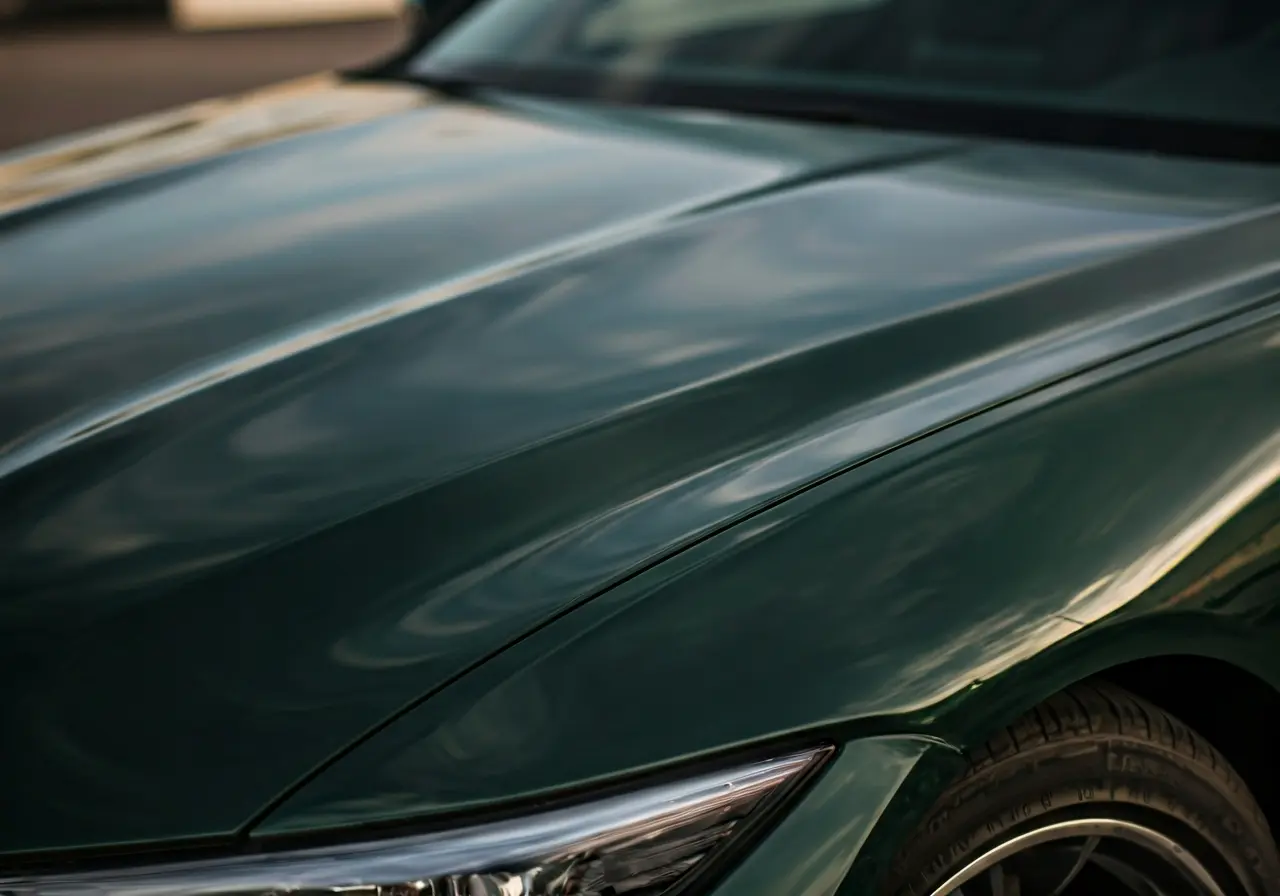
Before diving into costs, it’s essential to grasp what ceramic coating is. It’s a liquid polymer applied to the exterior of a vehicle, offering superior protection against environmental hazards. This protective layer chemically bonds with the factory paint, forming a lasting shield that enhances gloss and repels dirt and contaminants.
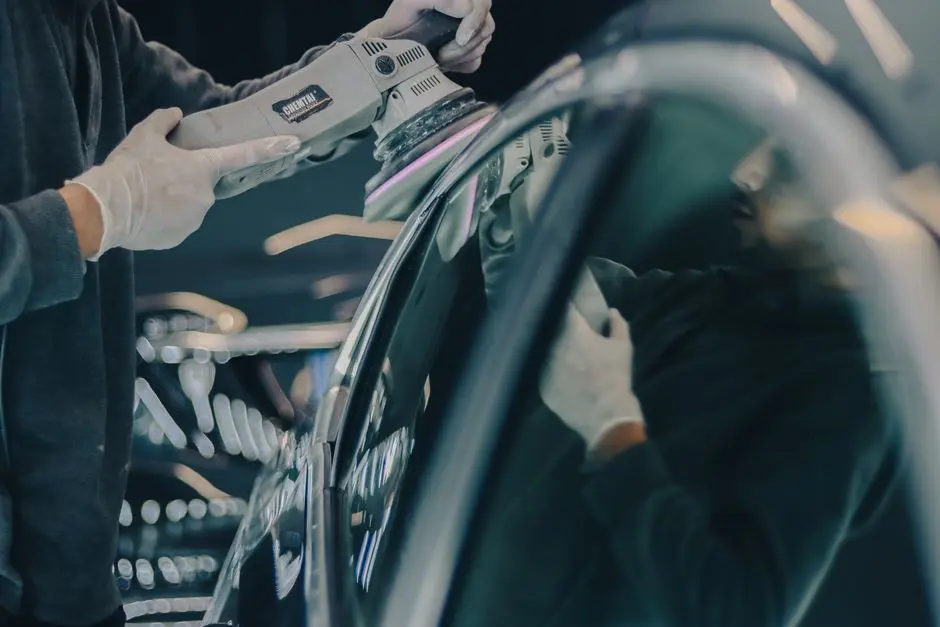
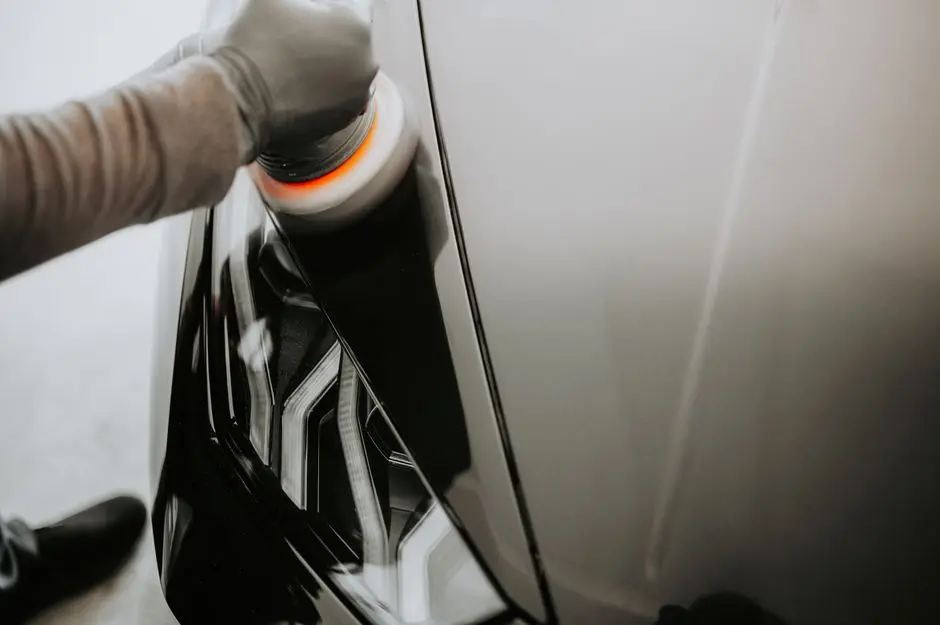
Ceramic coatings provide a slick finish that not only enhances the appearance of your vehicle but also makes it easier to clean. It’s like having a protective armor that keeps your car looking shiny and new for longer periods. To understand how ceramic coating works in detail, you may want to refer to materials that discuss its application and benefits.
2. Factors Influencing the Cost
Several elements affect the price, including the type of coating, the size of the vehicle, and the condition of the car’s paint surface prior to application. If your vehicle needs additional paint correction prior to coating, this could increase the overall cost.
The environment in which the vehicle operates can also impact cost. Cars regularly exposed to harsh conditions may require a more robust and consequently costlier ceramic coating. An investigation into these factors can give insights into why prices vary so widely.
3. DIY Versus Professional Application
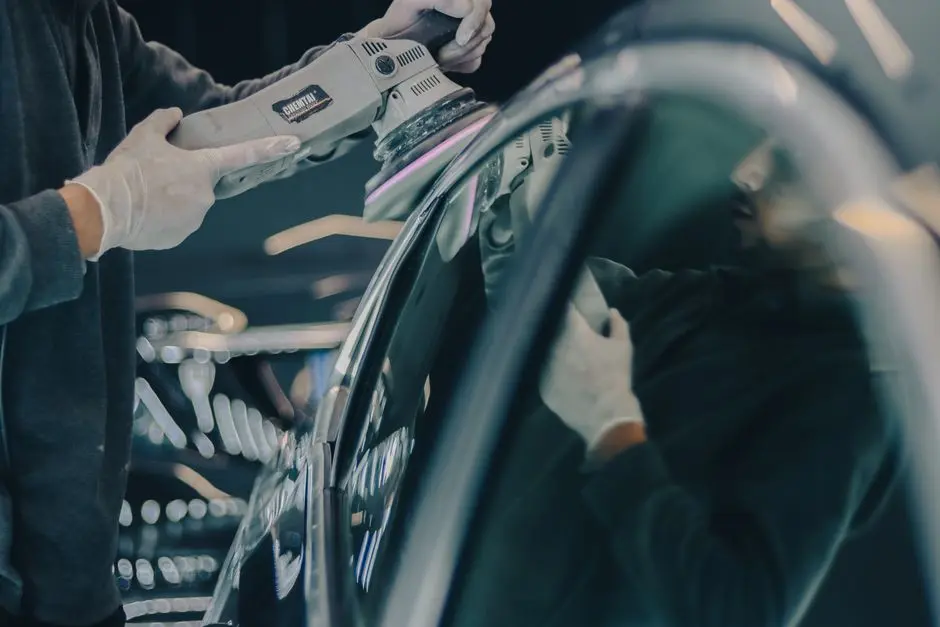
Opting for a DIY approach can save money but may require more effort and lack the professional finish, whereas professional services ensure higher-quality results with a steeper price tag. DIY kits are available and can run anywhere from (50 to )150, appealing to those who enjoy do-it-yourself projects.
However, there’s a significant difference in the longevity and effectiveness of a DIY application compared to a professional one. Professional installations can cost between (500 to )2000, depending on several factors, but they often come with warranties. For every dollar spent, professional application might provide a better return on the investment due to its durability as suggested by experts from Auto Body Shops.
4. Cost Breakdown by Vehicle Size
The size of your vehicle plays a significant role in cost. Larger vehicles like SUVs typically incur higher expenses compared to compact cars. For instance, coating a small sedan might range from (600 to )900, whereas an SUV might require (1000 to )1500.
The additional surface area of larger vehicles not only requires more material but also more time and effort. It’s essential to get a specific quote tailored to your vehicle size and make informed comparisons to get the best deal. You can check out more specific examples and cost estimations in resources like Cost Guides.
5. The Role of Brand and Product Quality
Different brands offer varying quality coatings, impacting both cost and durability. Premium brands are usually more expensive but provide longer-lasting protection. Brands like Opti-Coat and Ceramic Pro are known for their excellent track records in delivering durable car protection.
These premium solutions might include additives that enhance heat resistance or preserve vehicle aesthetics longer under UV exposure. Thus, it’s prudent to assess different brands and read trusted reviews to learn about their efficacy and cost-based value propositions.
6. Maintenance and Longevity
Regular maintenance is crucial for prolonging the life of ceramic coating, which can, in turn, affect long-term costs. Coatings that last longer may offer better value for money, reducing the frequency of reapplication.
A well-maintained ceramic coating reduces the need for additional protective waxing, saving you time and effort. Routine check-ups and appropriate washing techniques are part of upkeep, and it’s wise to follow the manufacturer’s care instructions for long-lasting results. For more maintenance tips, consider resources that discuss comprehensive car care practices.
7. Comparing with Other Paint Protection Options
Ceramic coating is just one paint protection option. Comparing it with alternatives like wax and paint sealants helps you understand if it’s worth the investment. While wax and sealants are less expensive upfront, they offer significantly less protection and wear off faster.
Unlike regular waxing, which might need reapplication every few months, ceramic coatings provide long-standing protection against a variety of elements. Getting acquainted with the pros and cons of each option through guides like Paint Protection Comparator can be enlightening when making your choice.
8. Evaluating Cost Versus Benefits
While initial costs may seem high, evaluating the long-term benefits such as reduced maintenance and enhanced appearance of your car can justify the investment. From resisting environmental contaminants to boosting resale value, the benefits are abundant.
Ceramic coatings contribute to the car’s longevity not just in aesthetics but also in maintaining the integrity of the vehicle’s exterior, making it a worthwhile consideration for those who view their cars as long-term assets. For further reading on this, view resources like Automotive Value Enhancers.
9. Understanding Warranty and Guarantee
Explore the warranties offered by different service providers. A robust warranty can significantly impact your decision by providing peace of mind and ensuring value for money.
Many professionals offer warranties ranging from 5 to 7 years, which can protect your investment against unforeseen defects. Understanding warranty terms and conditions with Consumer Warranty Guides can provide clarity on what is covered and bolster consumer confidence.
10. Tips for Getting the Best Price
Shop around, compare quotes, and consider package deals to find a reasonable price for ceramic coating that fits your budget without compromising quality. Playing the field by engaging with several service providers allows you insight into competitive rates.
Be wary of offers that seem too good to be true, as they may mask poor workmanship or inferior products. It’s beneficial to refer to expert reviews and testimonials to assure yourself of service quality. For some great insights and practical tips, refer to automotive forums like Cost Saving Discussion in Paint Industry.