
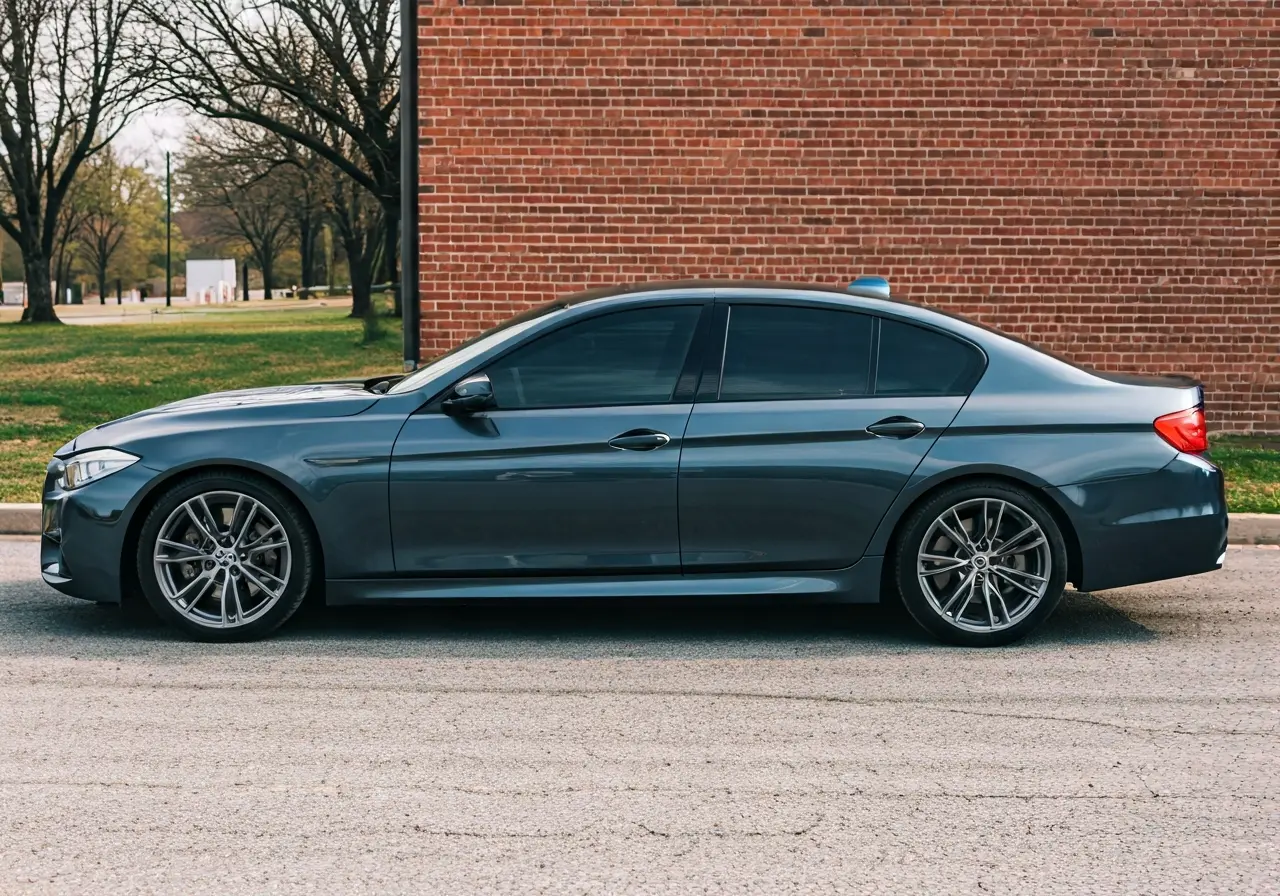

Driving is an important part of our daily lives, but maintaining privacy while on the road can be challenging. Many drivers have turned to window tinting services to address this concern. In this blog, we’ll explore whether window tinting services can indeed help with privacy while driving and what you need to know before considering it.
Understanding Window Tinting
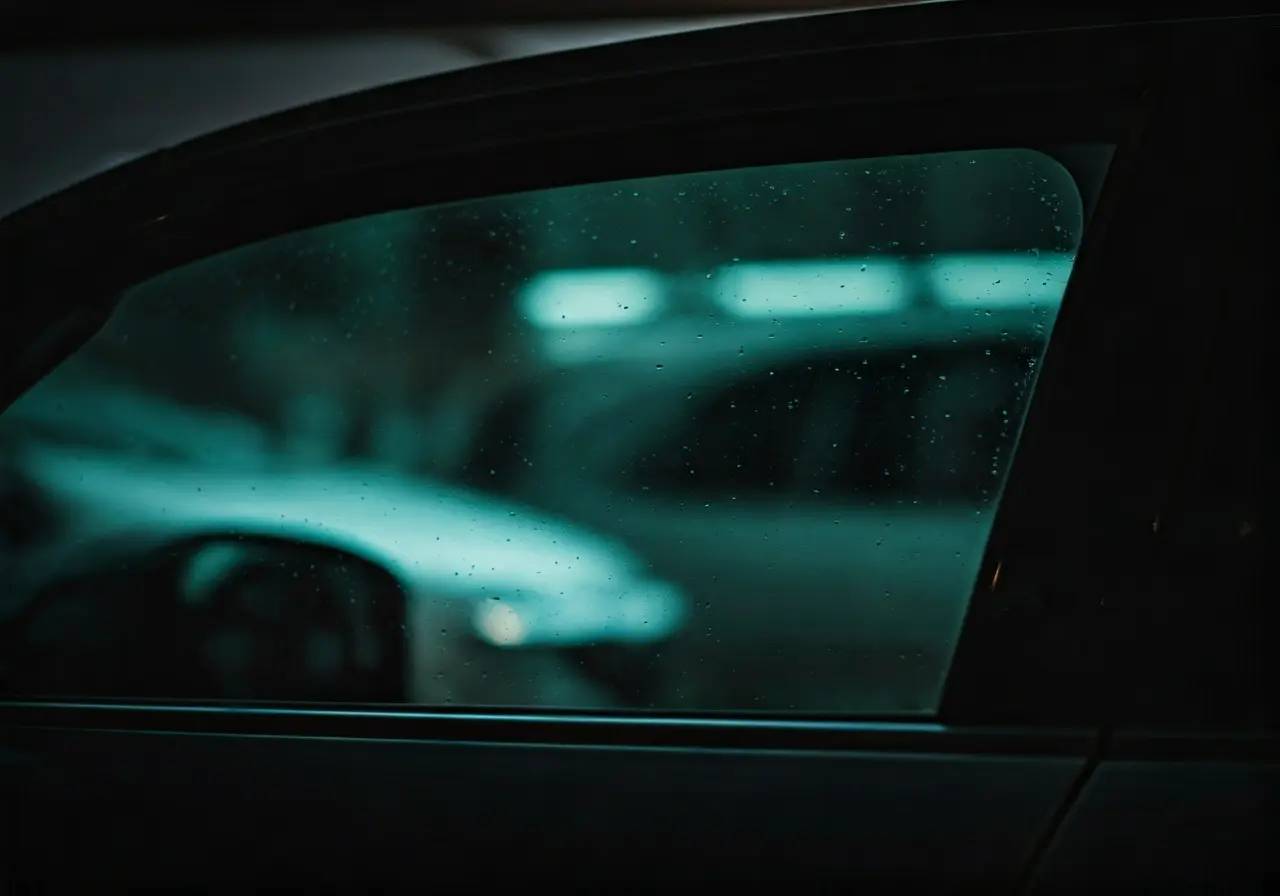
Window tinting involves applying a thin film to the interior surface of your vehicle’s windows. This film can reduce glare, block harmful UV rays, and provide additional privacy to those inside the vehicle.
The benefits of window tinting extend beyond aesthetics. By applying a high-quality window tint, you not only enhance the vehicle’s appearance but also protect its interior from fading and damage caused by sunlight. Furthermore, the film acts as a protective barrier that can hold shattered glass in place in the event of an accident.
Types of Window Tinting for Privacy
Different types of window tints provide varying levels of privacy. Some popular options include dyed tints, reflective tints, and ceramic tints. Each type has its pros and cons, and selecting the right one depends on your specific needs.
Dyed tints are the most economical choice, providing a dark appearance and moderate privacy. However, they may fade over time. Reflective tints, on the other hand, are known for their shiny exterior and superior privacy, but they might not be legal in all areas. Ceramic tints are highly favored for their advanced technology that offers optimal heat and UV protection without compromising visibility.
Evaluating Local Tinting Regulations
Before opting for window tinting, it’s crucial to be aware of local laws and regulations regarding tint darkness and reflectivity. Each state or region may have different rules, so ensure you’re compliant to avoid fines.
Researching local tint laws will help you understand the legal limits on tint darkness and where the tints can be applied on your vehicle. In some places, very dark tints on front windows are prohibited for safety reasons. Knowing these guidelines ensures you remain within the law and enjoy the benefits of tinting without any legal hassles.
Choosing the Right Privacy Level
Consider your privacy requirements and aesthetic preferences when selecting a tint level. Privacy tints can range from lightly tinted to nearly opaque, so choose what best suits your comfort and style.
When selecting window tint for privacy, it’s important to weigh your preference for visibility against your need for seclusion. Lighter tints maintain more transparency, ideal for those who value outside views. In contrast, darker tints maximize privacy by restricting outsiders’ view into your vehicle, which is particularly beneficial if you often keep valuable items inside.
For a comprehensive protection and privacy enhancement, opt for tints that combine multiple benefits. There are films available that not only improve privacy but also provide heat rejection and UV ray blocking for an all-around better driving experience.
The Importance of Professional Installation
For optimal results, it’s advisable to have window tinting installed by professionals. They ensure the film is applied correctly, preventing bubbles and ensuring longevity. Plus, professional services often come with warranties.
Professional installers possess the skills and tools necessary for a flawless application. They can also offer customized solutions tailored to your needs, making sure you get the perfect balance between privacy and visibility. So, trust the experts to enhance your privacy and protect your vehicle with precision and care.
Final Thoughts on Window Tinting for Privacy
Window tinting services offer a practical solution for enhancing privacy while driving. By understanding the different types of tint, checking local regulations, and selecting the right privacy level for your needs, you can enjoy a more private and comfortable driving experience. Just make sure to choose a professional service for installation to ensure quality results.