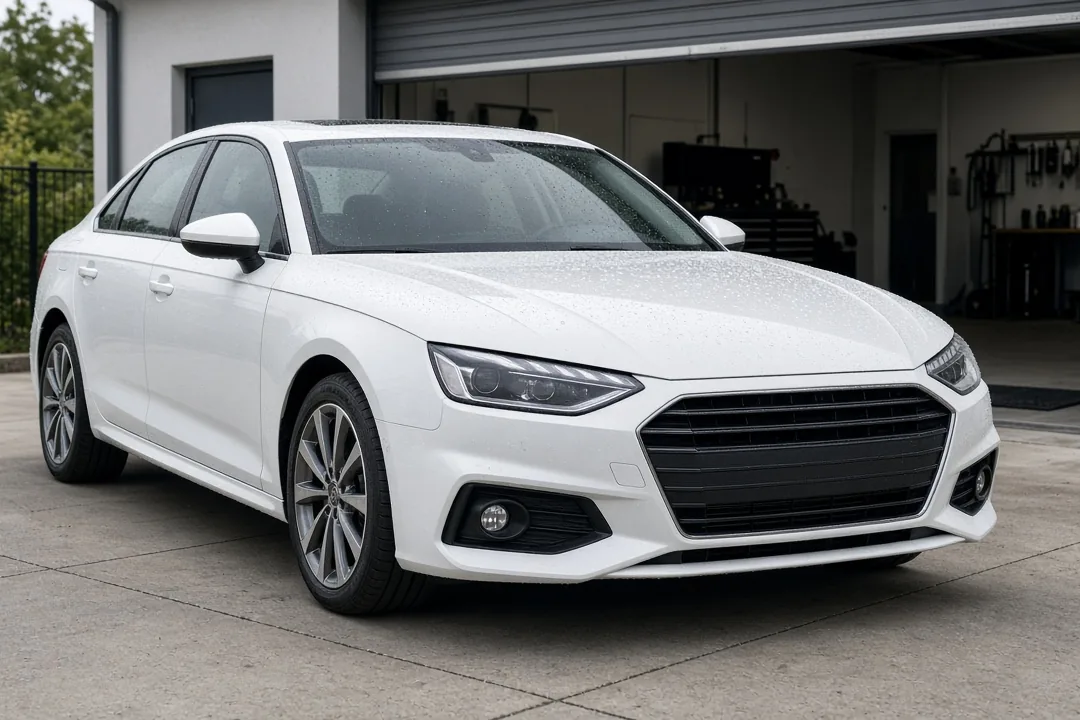
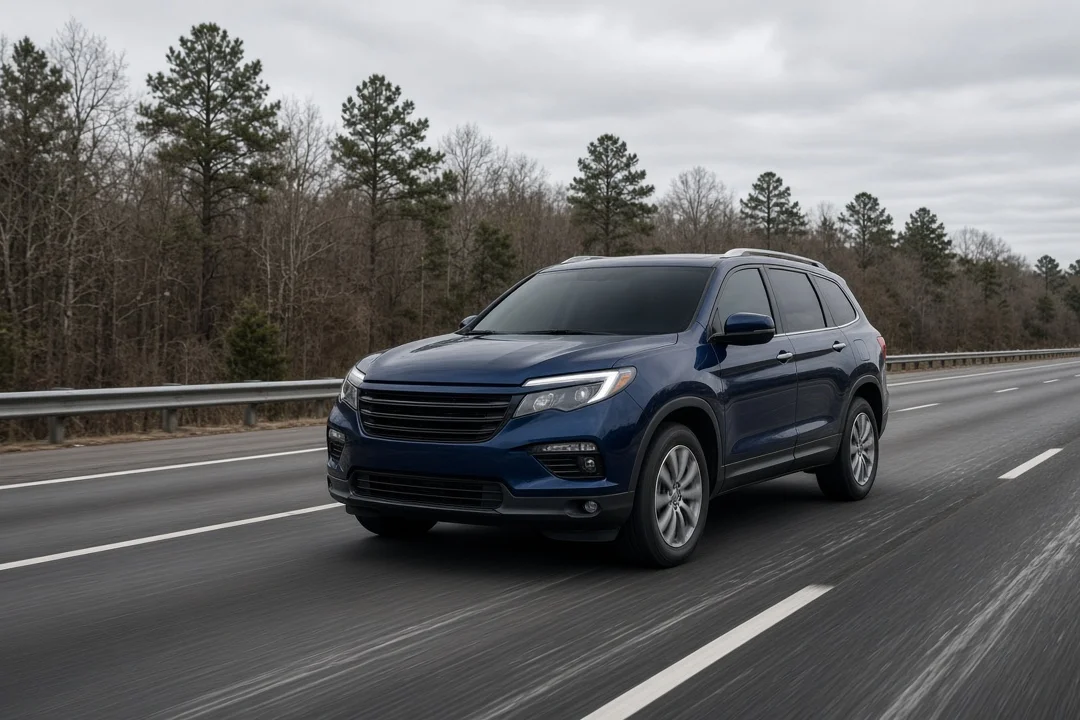
By Mike Holland, Owner
Does ceramic coating protect against road salt and brine? On your paint, yes. At Level Up Detailing in Lexington, NC, we give the honest version: a coating gives painted panels a slick layer that sheds brine and road film and rinses clean faster. It doesn’t seal the underbody, wheel wells or bare metal, so rinsing after brined roads still matters.
If you live in Jamestown, you’ve seen those white brine stripes on I-40 and I-85 before a storm. Jamestown sits in western Guilford County, between Greensboro and High Point, in NCDOT Division 7. So when the stripes show up, the real question is whether a coated car needs anything from you. In this blog, we’ll explain what brine is, what a coating does with it, and how to keep up in winter.
Key Takeaways: Ceramic Coating and Road Brine
- What brine is: NCDOT’s road brine is water and 23 percent salt, sprayed on dry roads ahead of a storm.
- What a coating does: it helps painted panels shed brine and road film, so they rinse clean faster and the finish is easier to keep up.
- What it doesn’t do: a coating doesn’t seal or rustproof the underbody, frame, wheel wells, seams or chips down to bare metal.
- The winter habit: rinse soon after each storm, pay attention to the undercarriage, and give the underside one last cleaning in spring.
- Optional care: our $199 Ceramic Maintenance Wash is a winter reset if you want one. It’s never required for your warranty.
What Is Road Brine, and What Does It Do to a Car?
Road brine is salt water. NCDOT describes it as a solution of water and 23 percent salt that crews spray on dry roads ahead of a storm, usually with the decision made 24 to 48 hours before. It works when the temperature is above 18 degrees and helps keep ice from bonding to the pavement. Your car picks up a fine, salty film on every treated mile.
Brine isn’t the villain here. NCDOT has said brining uses less salt overall, which saves money and is better for cars and the environment, according to the Town of Wake Forest. But salt is still salt. During and after storms, NCDOT says crews sometimes use a brine blend with 10 percent calcium, and after plowing they spread salt and sand.
The liquid part matters. AAA says liquid de-icers “remain in liquid form longer and are more likely to coat components and seep into cracks and crevices where corrosion can accelerate.” In a national 2017 survey, AAA estimated that drivers spend about $3 billion a year on rust repairs tied to road salt and de-icers. That damage happens mostly underneath, which is why the next section matters.
Where Does Ceramic Coating Protect Against Road Salt, and Where Doesn’t It?
A ceramic coating protects the surfaces it’s applied to: your paint, plus the trim, wheel faces, and head and tail lights in our exterior packages. On those surfaces, brine and salty road film have a harder time holding on and rinse off more easily. It doesn’t reach the underbody, frame, brake lines, wheel wells or seams.
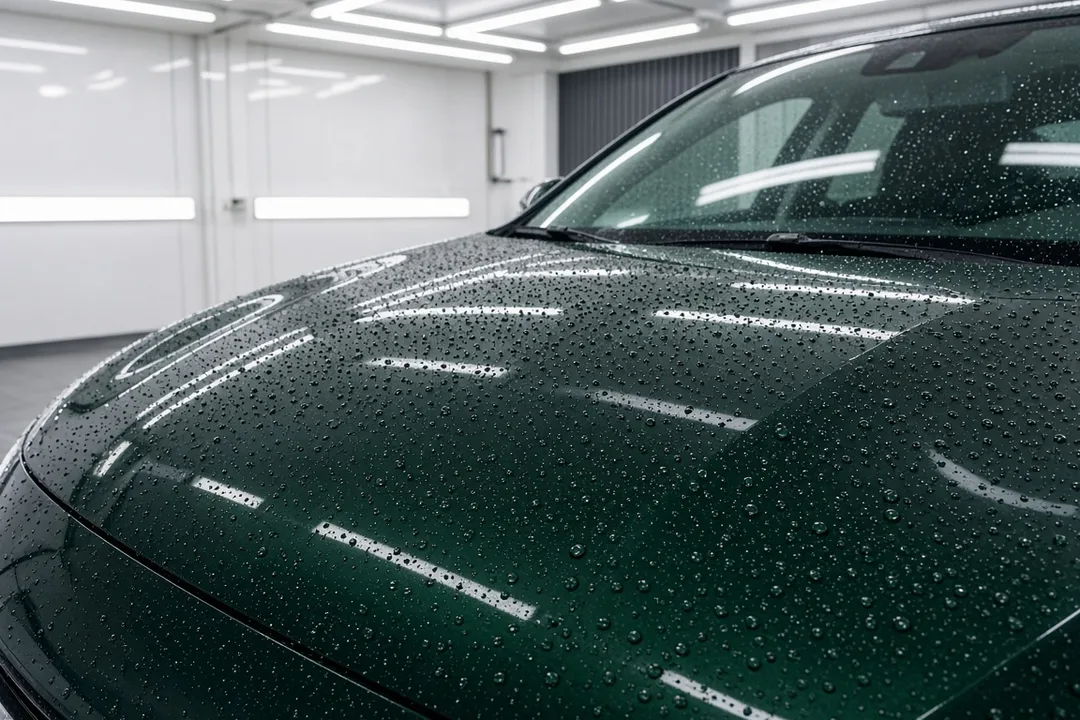
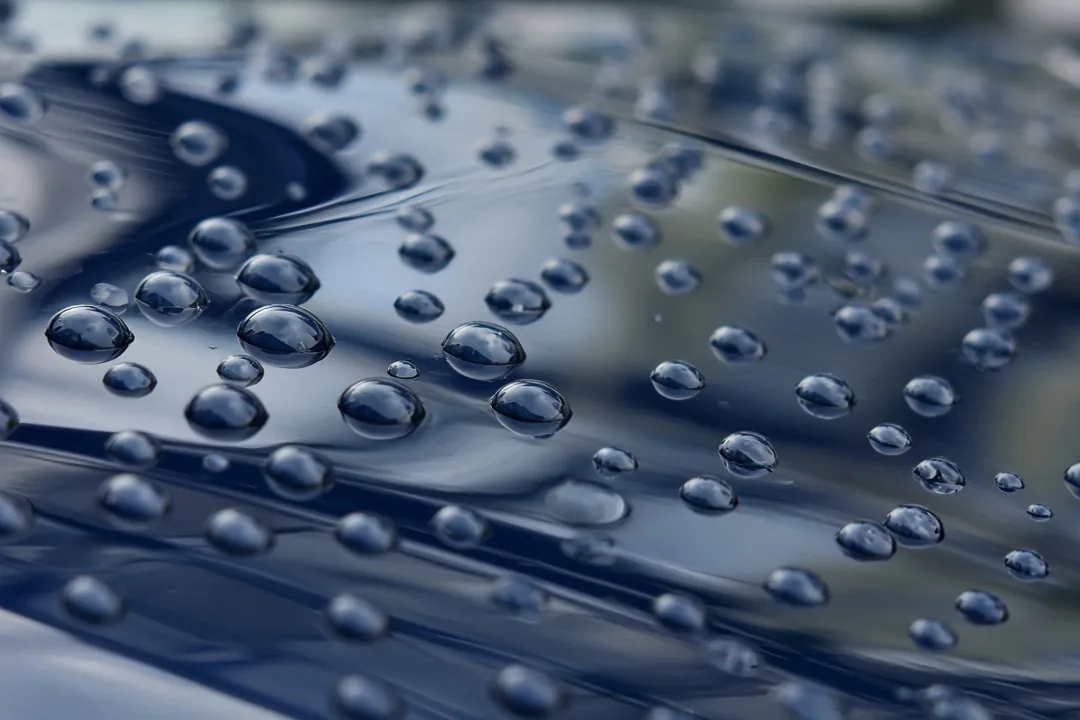
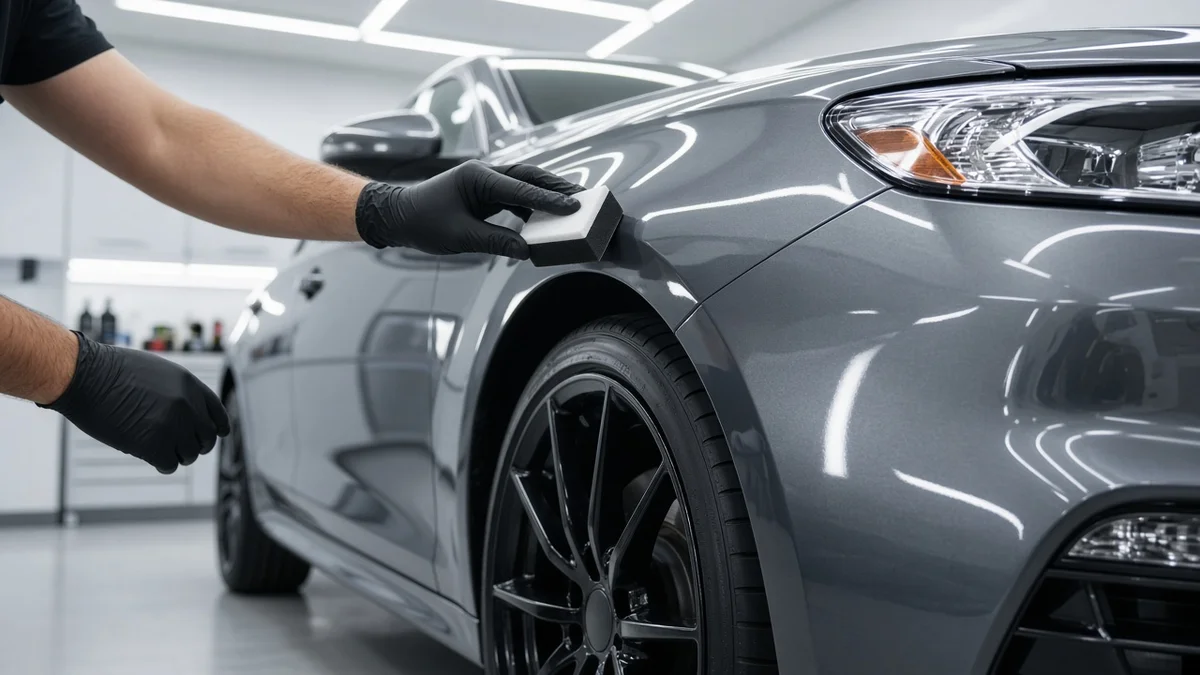
Here’s what that looks like on a coated car. A coating adds a hard, slick layer over your clear coat that helps resist UV fading, bird droppings, tree sap, road film and water spots, and it makes washing much faster. After a brined commute, that gray salt haze on a coated door or hood lets go with a rinse instead of needing a scrub. Less scrubbing means fewer wash marks, and your paint keeps its gloss through the winter.
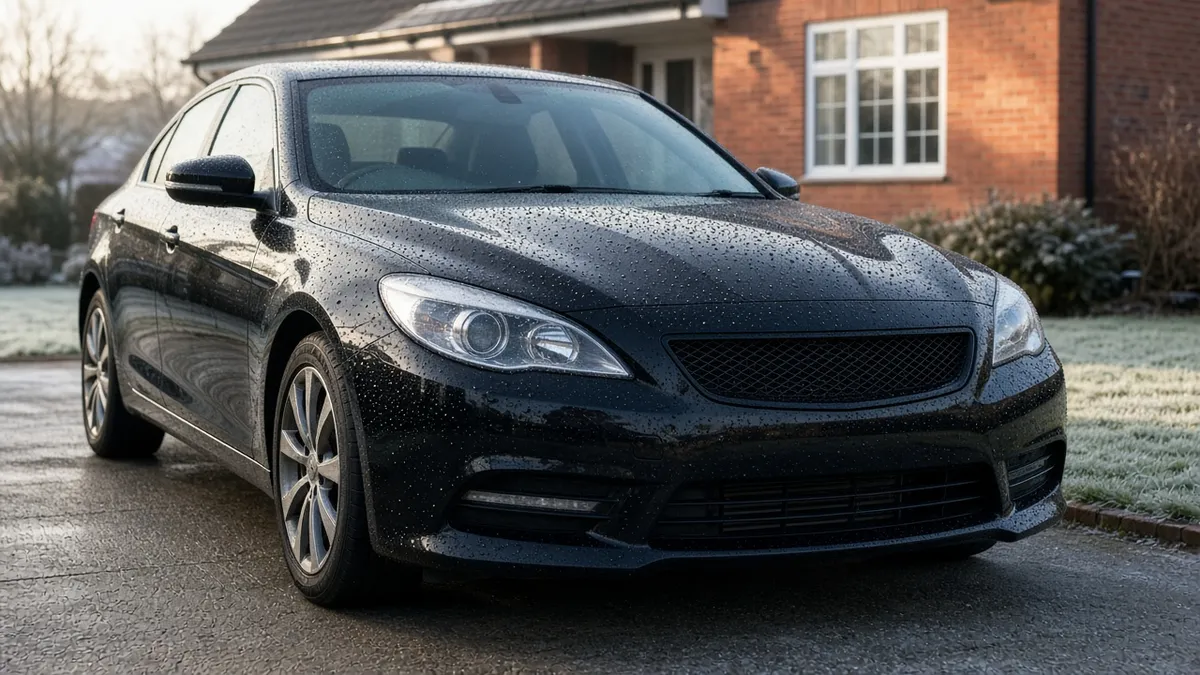
The limits are simple and easy to handle. Car and Driver puts it well: a coating “can help the surface resist certain contaminants and shed water, but it does not make paint damage-proof.” Brine that sprays up under the car lands on metal a coating never touches. That part of the job belongs to a good rinse, and a coated car makes that rinse quicker.
Does Ceramic Coating Protect From Rust?
Not underneath. A ceramic coating protects your paint’s surface, not the frame, brake lines, fuel tank or undercarriage, and it isn’t a rustproofing treatment. Rust tends to start where salt sits on bare metal, in seams and underneath. The fix is regular rinsing plus touching up any chip that goes down to bare metal.
AAA Carolinas gives North Carolina drivers the same advice: wash frequently, especially the undercarriage, use a real car wash solution instead of dish detergent, and touch up chips that expose bare metal. A coating fits right into that routine. It handles the paint side by keeping the finish slick and easy to clean, and the undercarriage rinse handles the rest.
How Often Should You Wash a Coated Car in Winter?
Wash a coated car frequently in winter, and rinse soon after each storm once the treated roads have dried, before brine sits on the car for days. AAA says to pay particular attention to the undercarriage, and to give the vehicle and undercarriage one last cleaning in spring. Your coating makes each of those washes faster.
There’s no magic number of days, and anyone who gives you one is guessing. Base it on the weather instead. When the brine trucks have been out and you’ve driven on treated roads, plan a rinse once the roads dry. AAA notes that many drive-through car washes offer an undercarriage rinse, which is the part your coating can’t cover.
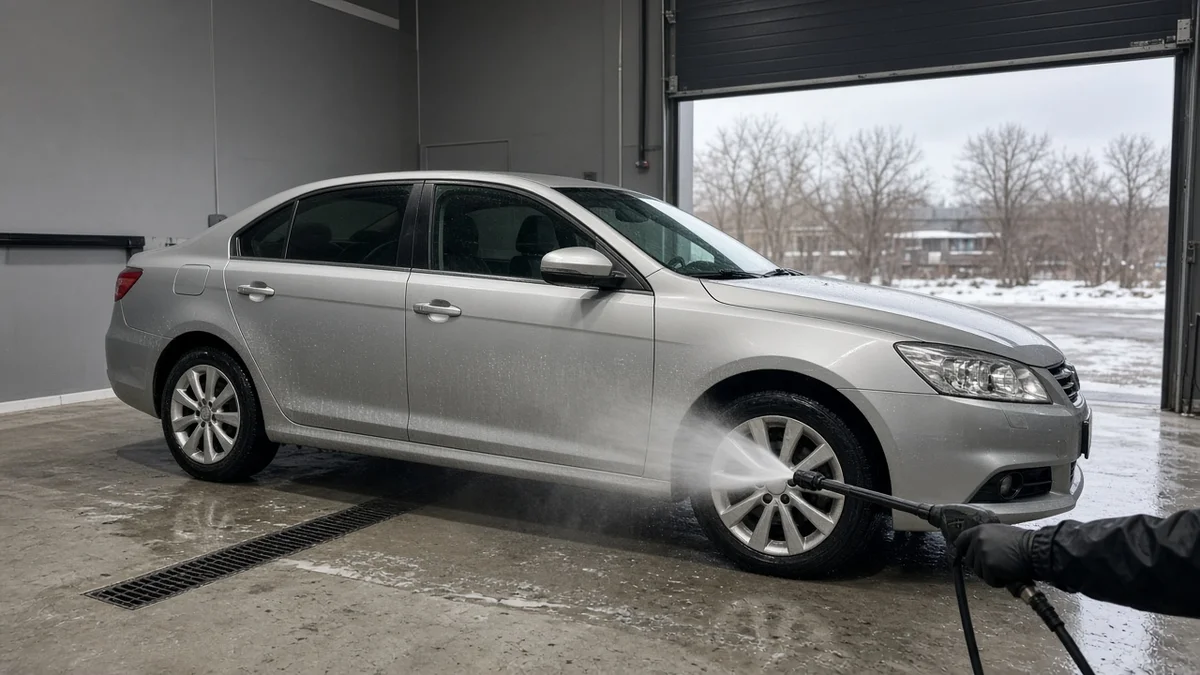
For the paint, a gentle hand wash with car wash soap and clean microfiber is best. Car and Driver notes that a coating’s performance can drop from abrasive washing and harsh or highly alkaline cleaners, so skip dish soap. If you’re weighing an automatic wash, our guide on taking a ceramic coated car through a car wash covers touchless versus brush washes in detail.
One more tip: when you see a brine truck working, give it room. NCDOT crews have asked drivers to stay at least 150 feet back, so the treatment ends up on the road and not on your car, as WXII 12 reported.
Brine Season Around Jamestown and Guilford County
Guilford County is in NCDOT Division 7, along with Alamance, Caswell, Orange and Rockingham counties. Ahead of a January 2026 storm, WXII 12 reported that Division 7 had 250 crew members on 24-hour shifts covering 15,000 lane miles, with NC routes, I-40 and I-85 treated first. NCDOT said it would take 95,000 gallons to pretreat roads over the next few days.
NCDOT Division 7 has also advertised two 2026–27 contracts, each for ten trucks for salt brine pretreatment on bare-pavement routes in Eastern and Western Guilford County. The good news is that this isn’t a Rust Belt winter. NOAA’s 1991–2020 normals for Piedmont Triad International Airport show about 68 nights a year at or below freezing and about 7 inches of snow a year, so brine comes in waves, not all season long. That’s why a coating and a rinse after each storm is plenty for most Jamestown drivers.
Whether you’re headed down Main Street past City Lake Park or out to I-74, our Lexington shop is about 31 miles away, roughly 48 minutes via I-40 and I-74. We serve Jamestown drivers through our ceramic coating in High Point page, and Greensboro drivers can see our Greensboro ceramic coating page.
Do You Need a Maintenance Wash in Brine Season?
No, it’s optional. Owner’s Pride is the only federally compliant warrantied ceramic coating in North America with no forced out-of-pocket maintenance program, so you never have to buy a maintenance wash to keep your warranty. Our $199 Ceramic Maintenance Wash is there if you want a deeper reset after a rough stretch of winter.
Our Ceramic Maintenance Wash is for vehicles that have already been ceramic coated. It includes a full hand wash of the exterior and wheels, a clay bar on the exterior paint, iron fallout removal and a ceramic booster spray. It’s a good fit after the last storm of the season, when the paint has picked up film that a quick rinse didn’t get. For the underside, keep using an undercarriage rinse.
Ceramic Coating Prices for Brine Season
We’re an authorized installer of Owner’s Pride warrantied coatings. Every warrantied exterior package includes single-stage paint correction before the coating goes on, since a coating locks in whatever is under it. Here are our current starting prices for a coupe or sedan from our shop:
| Service | Starting price (coupe / sedan) | Warranty |
|---|---|---|
| Ceramic Maintenance Wash (optional care for coated cars) | $199 | Not applicable |
| 3-Year Wash & Coat | Starts at $699 | No warranty; lasts up to 3 years |
| Owner’s Pride 3-year coating | $1,199 | 3 years |
| Owner’s Pride 5-year coating | $1,349 | 5 years |
| Owner’s Pride 7-year coating | $1,499 | 7 years |
| Owner’s Pride 9-year dual-layer, self-healing coating | $2,099 | 9 years |
SUVs, trucks and vans cost more, and every price is listed in our shop. Not sure which length fits how long you’ll keep the car? Read how to choose a ceramic coating warranty. An exterior package takes about 48 to 72 hours.
Why Triad Drivers Choose Level Up Detailing
Our shop is at 275 Crystal Ridge Dr in Lexington, and we bring 10+ years of combined experience. We’re an authorized ceramic coating installer offering Owner’s Pride warrantied coatings. Owner Mike Holland is an emergency rescue helicopter pilot, and we’ve earned more than 200 customer reviews.
Cassidy Coultas brought in a Buick Envision for paint correction, then a 9-year self-healing exterior coating and a 7-year interior coating. Her verdict: “the water beading is amazing.” That slick, beading finish is what makes brine and road film rinse off so easily.
Areas We Serve
We work with drivers from Lexington, Winston-Salem, Clemmons, Lewisville, Kernersville, High Point, Thomasville, Greensboro, Summerfield, Oak Ridge and Salisbury.
Frequently Asked Questions
Does ceramic coating protect against road salt and brine?
It helps on your paint. A coating gives painted panels a slick surface that sheds brine and road film and rinses clean faster. It doesn’t cover the underbody, wheel wells or bare metal, so rinse after brined roads. Call or text (336) 780-7868 to set up an appointment.
Does ceramic coating protect from rust?
Not underneath. A coating protects your paint’s surface, not the frame, brake lines or undercarriage. AAA recommends frequent washes with attention to the undercarriage and touching up chips that expose bare metal. Call or text (336) 780-7868 to set up an appointment.
How often should you wash a coated car in winter?
AAA says to wash frequently, especially the undercarriage. A good habit is to rinse soon after each winter storm once the roads dry, and to give the underside one last cleaning in spring. Call or text (336) 780-7868 to set up an appointment.
Is road brine bad for your car?
Brine is salt water (NCDOT’s is 23 percent salt), so it can lead to rust if it sits on the car. AAA notes that liquid de-icers can seep into cracks and crevices, which is why the undercarriage matters most. Call or text (336) 780-7868 to set up an appointment.
Can I use dish soap to wash brine off a coated car?
No. AAA advises using a car wash solution, not dish detergent, and Car and Driver notes that harsh or highly alkaline cleaners can reduce a coating’s performance. A gentle car wash soap and microfiber is best. Call or text (336) 780-7868 to set up an appointment.
Do I need a maintenance wash to keep my coating warranty?
No. Owner’s Pride has no forced out-of-pocket maintenance program. Our $199 Ceramic Maintenance Wash is optional care if you want a winter reset. Call or text (336) 780-7868 to set up an appointment.
Final Thoughts on Road Brine and Ceramic Coating
A ceramic coating won’t rustproof the underside of your car, and nothing on your paint will. What it does is help brine and salty road film let go of your finish, so every winter rinse is faster and your paint comes out of brine season looking as good as it went in. Pair it with a rinse after each storm, and you’re covered.
Want your paint to shed brine this winter? Call or text us at (336) 780-7868, or send us your info through our contact page, to set up an appointment. You’ll find us at 275 Crystal Ridge Dr, Lexington, NC 27295.